Cattle panel fences are popular because they are strong, practical, open, and surprisingly versatile. They can work in vegetable gardens, backyard fences, farmhouse yards, dog-friendly spaces, raised bed gardens, side yards, patios, and even modern landscape designs. The simple grid structure makes them useful for defining boundaries, supporting climbing plants, protecting garden areas, and creating fencing that does not feel too heavy or closed in. Unlike solid wood or vinyl fencing, cattle panels allow light, airflow, and visibility to pass through, which is especially helpful in gardens and smaller yards.
The look of a cattle panel fence depends heavily on how it is installed. With rough wood posts, it can feel rustic and rural. With cedar framing, it can feel warm and polished. With black metal posts or dark panels, it can look modern and clean. With climbing plants, it can become a living garden wall. With raised beds and gravel paths, it can make a vegetable garden feel organized and beautiful. With stone paths, gates, planters, and thoughtful lighting, it can become much more than a basic utility fence.
Before choosing a cattle panel fence design, it helps to think about the main purpose. Is it for garden protection, dog safety, decorative structure, privacy, plant support, or farmhouse curb appeal? A vegetable garden may need a wide gate and practical paths. A dog-friendly yard needs secure spacing and strong posts. A privacy fence needs layered planting because the panels alone are open. A modern fence needs clean alignment and simple materials. These 16 cattle panel fence ideas will help you choose a style that looks beautiful while still working well for your outdoor space.
1. Cattle Panel Garden Fence
A cattle panel garden fence is one of the most useful ways to define a garden without hiding it. The open grid lets you see flowers, herbs, vegetables, and pathways clearly while still creating a boundary. This makes it ideal for backyard gardens that are meant to be seen and enjoyed.
Wood posts can soften the metal and help the fence fit into a natural garden setting. Planting around the base also helps the fence feel less rigid.
Tip: Plan space around the fence before installation. Leave enough room for walking, watering, pruning, and harvesting. A fence that looks good but blocks access to plants will quickly become frustrating during regular garden maintenance.
2. Cattle Panel Fence with Wood Frame
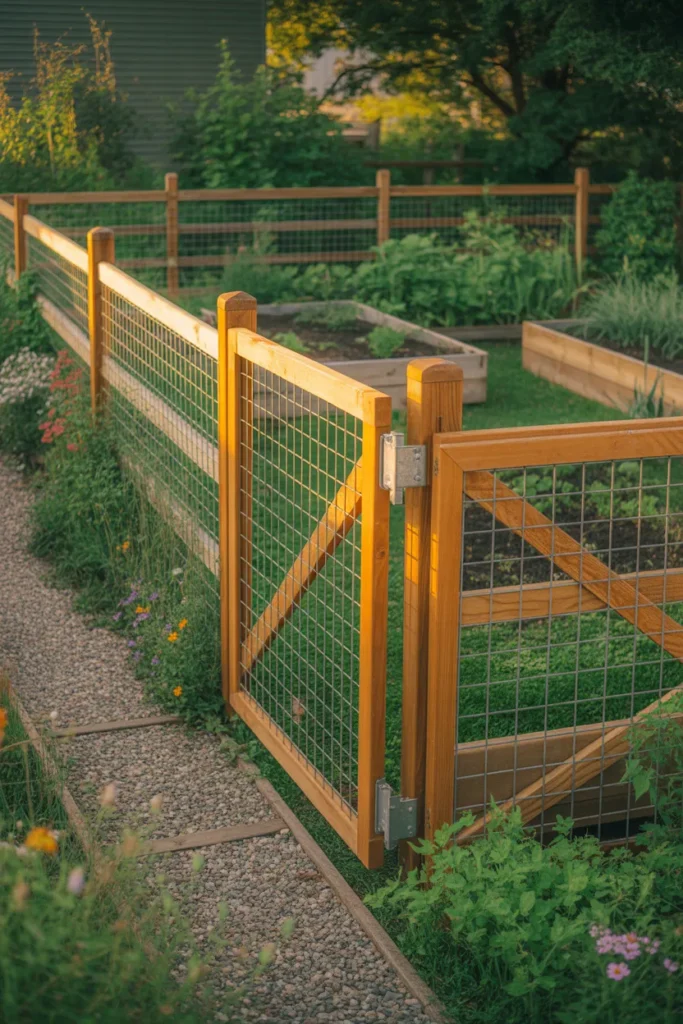
A cattle panel fence with a wood frame looks more finished than plain panels attached to posts. The frame gives each section structure and makes the fence feel intentional. This is a good choice for gardens, patios, side yards, and backyards where the fence is highly visible.
The wood also adds warmth and texture, which helps balance the industrial feel of the metal grid. Cedar, redwood, pressure-treated wood, or stained lumber can all work depending on the style and budget.
Tip: Match the wood frame to other outdoor features, such as raised beds, deck boards, pergolas, or gates. Repeating the same wood tone makes the yard feel more cohesive and designed.
3. Cattle Panel Fence for Vegetable Garden
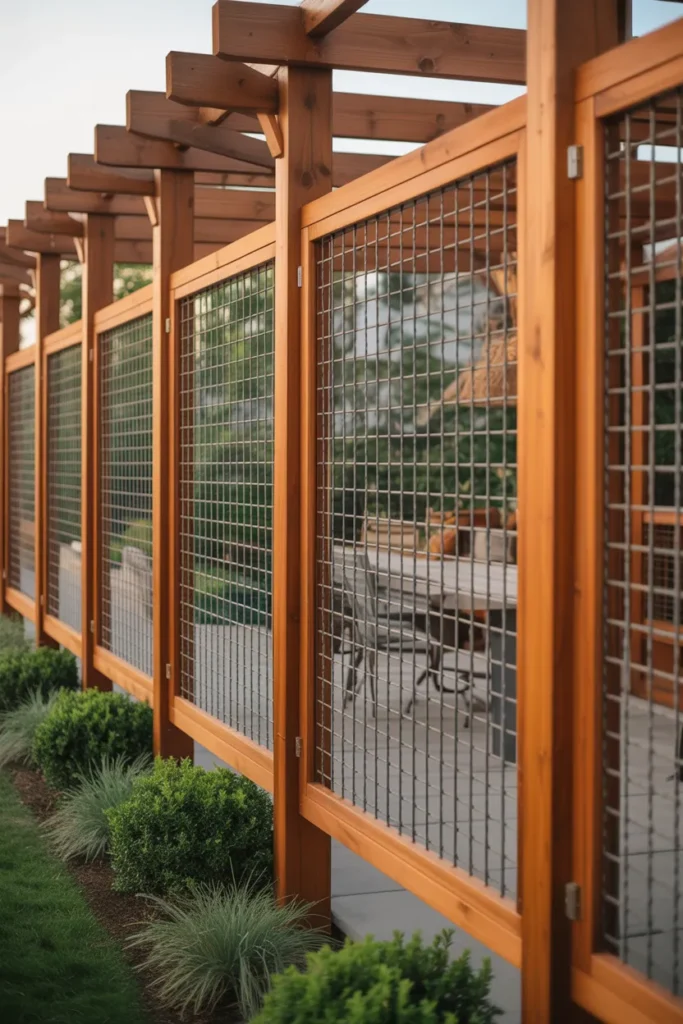
A cattle panel fence works very well around a vegetable garden because it protects the growing area while keeping sunlight and airflow available. The open design also makes it easy to see what is growing, what needs watering, and where maintenance is needed.
This style works best with a wide gate, clear paths, and beds arranged in an organized layout. It can surround raised beds, in-ground rows, or mixed edible gardens.
Tip: Choose the fence height based on the animals or problems in your area. A low fence may help with pets or foot traffic, but deer or larger animals require a taller and stronger setup. Also make the gate wide enough for a wheelbarrow or garden cart.
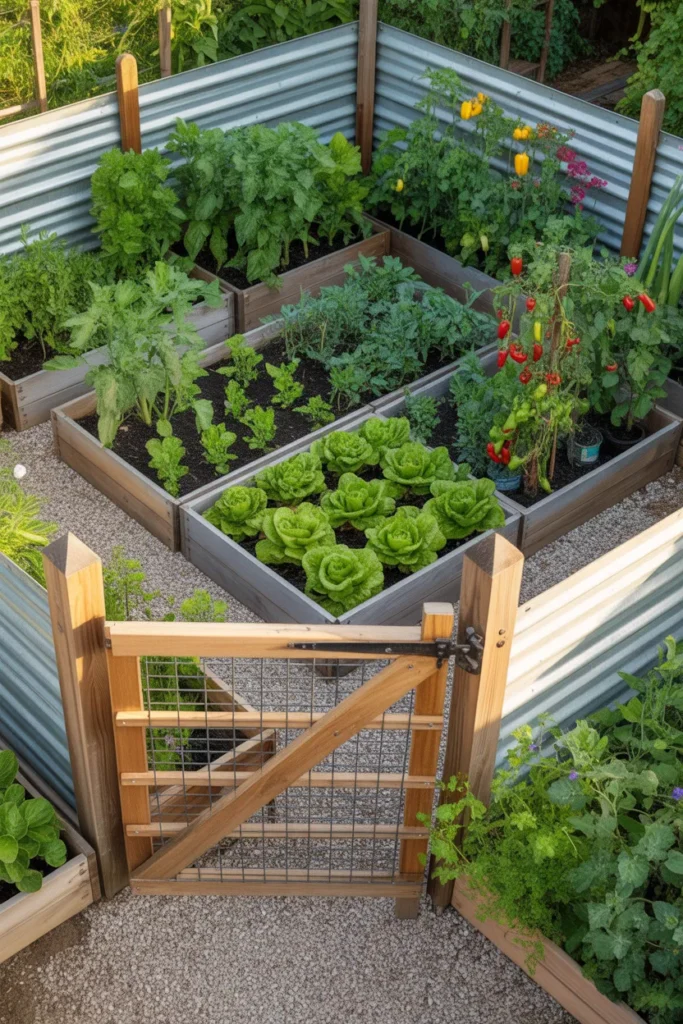
4. Cattle Panel Fence with Gate
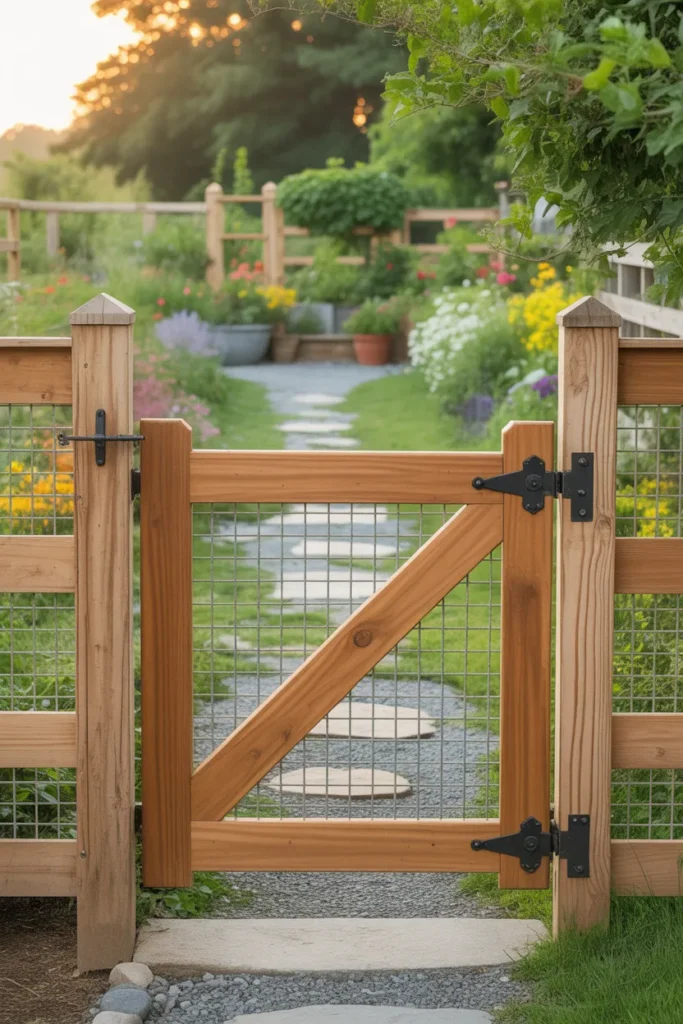
A cattle panel fence with a gate makes the whole fence feel more complete and useful. The gate becomes the main access point, so it should be strong, easy to open, and wide enough for real outdoor tasks.
A wood-framed gate with cattle panel infill usually looks best because it matches the fence while still feeling sturdy. Add simple hardware and keep the path around it clear.
Tip: Gates need stronger construction than regular fence panels because they move constantly. Use sturdy posts, durable hinges, and a reliable latch. If the gate is wide, add internal bracing so it does not sag over time.
Also Explore
16 Wood Fence with Wire Mesh Ideas That Give Every Yard Beautiful Boundaries and Open Views
12 Rustic Fence Ideas That Make Every Yard Feel Warm, Natural, and Charming
12 Hog Wire Fence Ideas That Make Any Yard Feel Open, Rustic, and Beautiful
13 Boho Fence Ideas That Give Every Garden the Most Beautifully Organic Boundaries
14 Vinyl Fence Decor Ideas That Transform Every White Fence Into Something Beautiful
5. Cattle Panel Fence with Climbing Plants
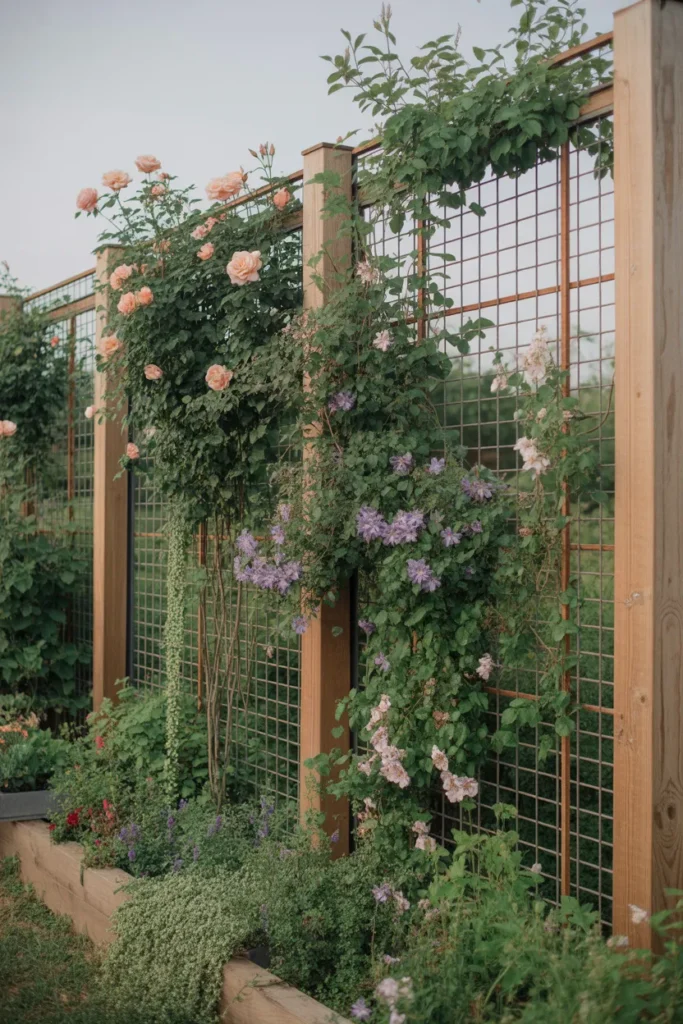
A cattle panel fence is perfect for climbing plants because the grid acts like a built-in trellis. Flowers, vines, beans, cucumbers, peas, and climbing roses can all use the panel for support. This makes the fence both useful and beautiful.
As plants grow, they soften the metal and make the fence feel more connected to the garden. It can also create partial privacy without building a solid fence.
Tip: Start guiding plants when they are young. If you wait too long, stems can become stiff and harder to train. Also consider mature plant weight, because heavy vines may require stronger posts and regular pruning.
6. Cattle Panel Fence for Backyard
A cattle panel fence for the backyard creates a boundary without making the space feel closed off. This is useful when you want to define the yard but still keep views of gardens, trees, or surrounding landscape.
It can work around a lawn, patio, dog area, garden edge, or side yard. Wood posts make the fence feel warmer, while metal posts make it more streamlined and durable.
Tip: Be clear about the fence’s purpose before choosing the final design. A decorative boundary, pet enclosure, garden fence, and child-safe yard fence may all need different heights, gates, spacing, and installation methods.
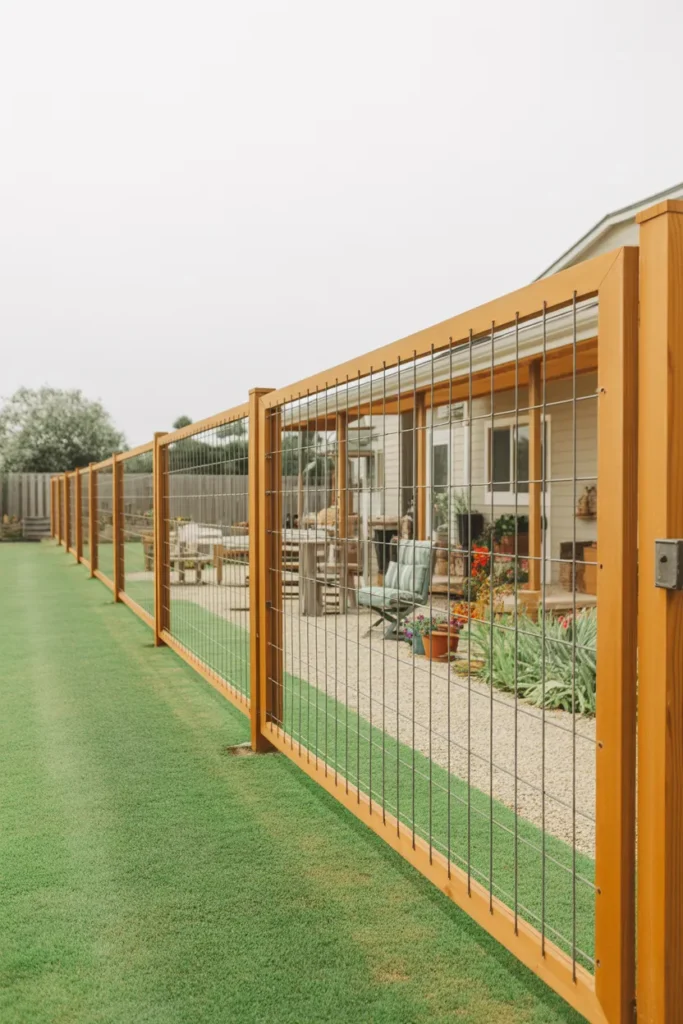
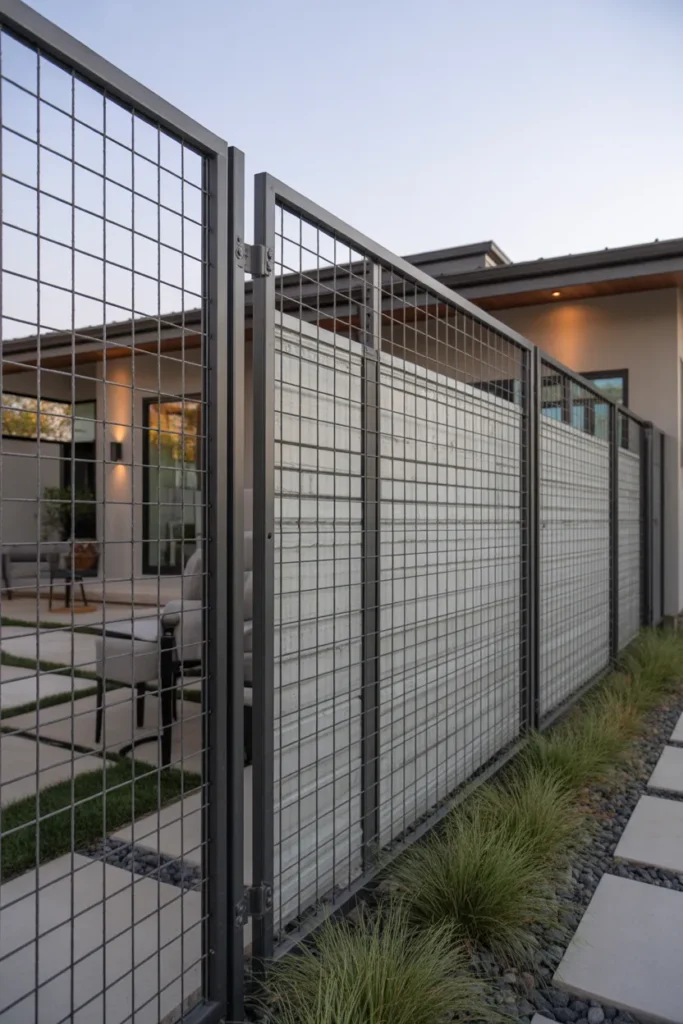
7. Modern Cattle Panel Fence
A modern cattle panel fence proves that this material does not have to look purely rural. With clean posts, straight alignment, simple landscaping, and controlled materials, cattle panels can look sleek and contemporary.
This style pairs well with concrete pavers, gravel beds, black accents, ornamental grasses, and minimalist outdoor furniture. The key is precision and restraint.
Tip: Modern designs depend on neat installation. Keep panel heights consistent, posts straight, and hardware clean. Avoid too many plant types or decorative pieces near the fence so the grid design stays crisp.
8. Rustic Cattle Panel Fence
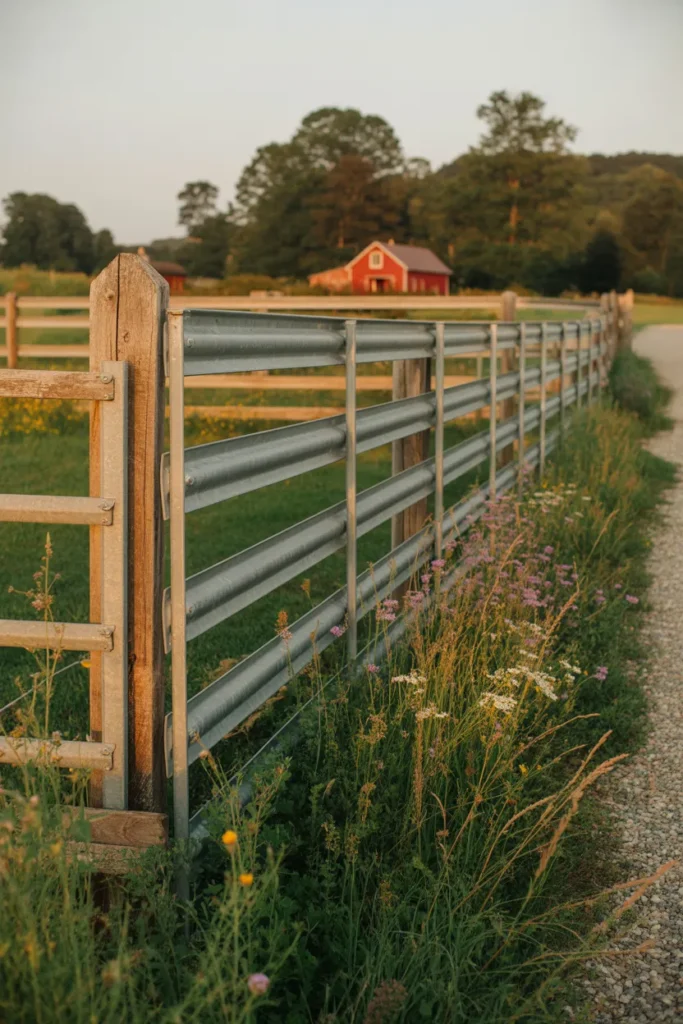
A rustic cattle panel fence is ideal for country yards, farmhouse gardens, cottage landscapes, and rural driveways. Rough wood posts, weathered finishes, wildflowers, gravel, and tall grasses make the fence feel natural and relaxed.
This style should not look overly polished. The charm comes from texture, simplicity, and a practical connection to the land.
Tip: Let planting soften the fence. Wildflowers, herbs, grasses, and loose garden borders can make the metal panels feel less harsh and help the fence settle into the landscape.
9. Cattle Panel Fence with Raised Beds
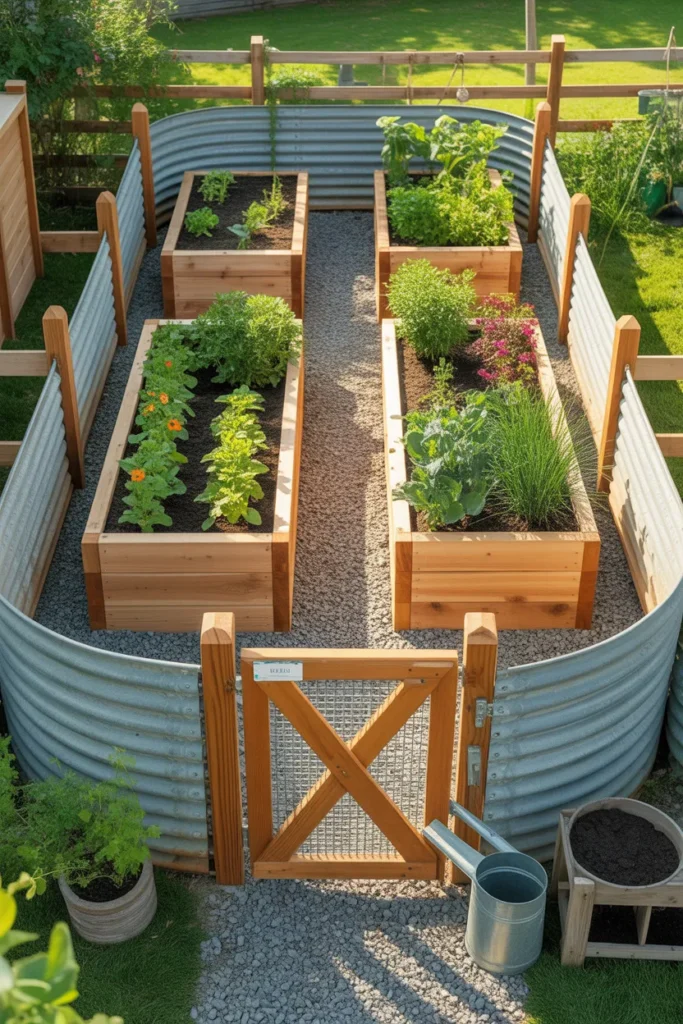
A cattle panel fence with raised beds creates a garden that feels organized and easy to maintain. The raised beds define planting areas, while the fence protects the space and keeps it visually open.
This layout works beautifully for backyard vegetable gardens that are visible from a patio, deck, or kitchen window. Gravel paths and consistent bed spacing make the whole garden look more intentional.
Tip: Align the raised beds with the fence and paths whenever possible. Straight, repeated lines make the garden look cleaner and also make watering, harvesting, and moving through the space easier.
10. Cattle Panel Fence for Dogs
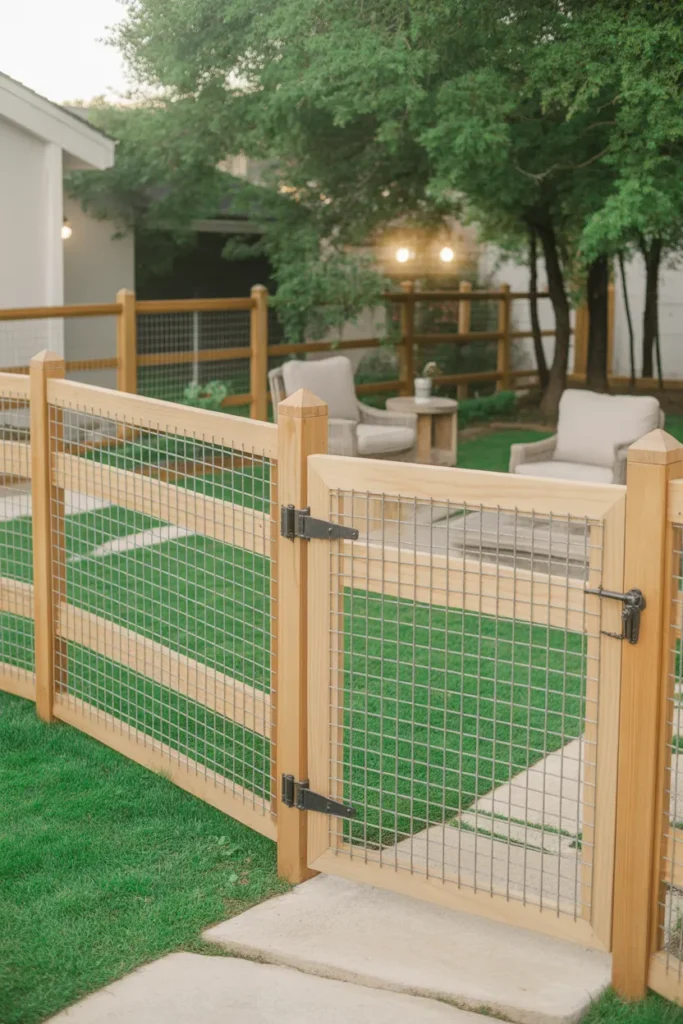
A cattle panel fence can work for dogs, but it needs careful planning. The open panels keep the yard visible and spacious, but the fence must be secure enough for the specific dog using it.
Important details include panel opening size, fence height, bottom clearance, post strength, and gate latch quality. A small dog, large dog, jumper, digger, or strong dog may each need a different setup.
Tip: Do not choose the fence based only on looks. Check whether your dog can squeeze through the panel openings, dig underneath, jump over, or push against the fence. Secure the bottom edge and gate carefully before relying on it as a pet boundary.
11. Cattle Panel Trellis Fence
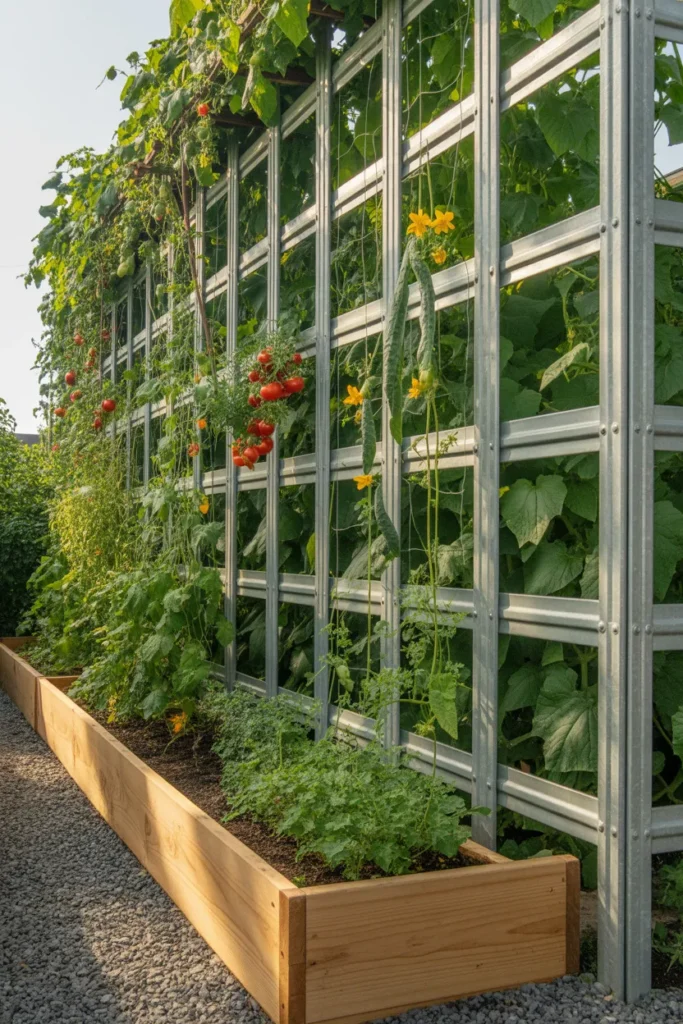
A cattle panel trellis fence is one of the smartest ways to use vertical space in a garden. The panels can support beans, peas, cucumbers, squash, tomatoes, flowering vines, and other climbing plants.
This is especially helpful in small gardens because growing upward saves ground space and improves airflow. It also makes harvesting easier when plants are trained properly.
Tip: Place the trellis where plants receive enough sunlight and where you can access both sides if needed. Mature climbing plants can become heavy, so use strong posts and check the structure before the growing season begins.
12. Black Cattle Panel Fence
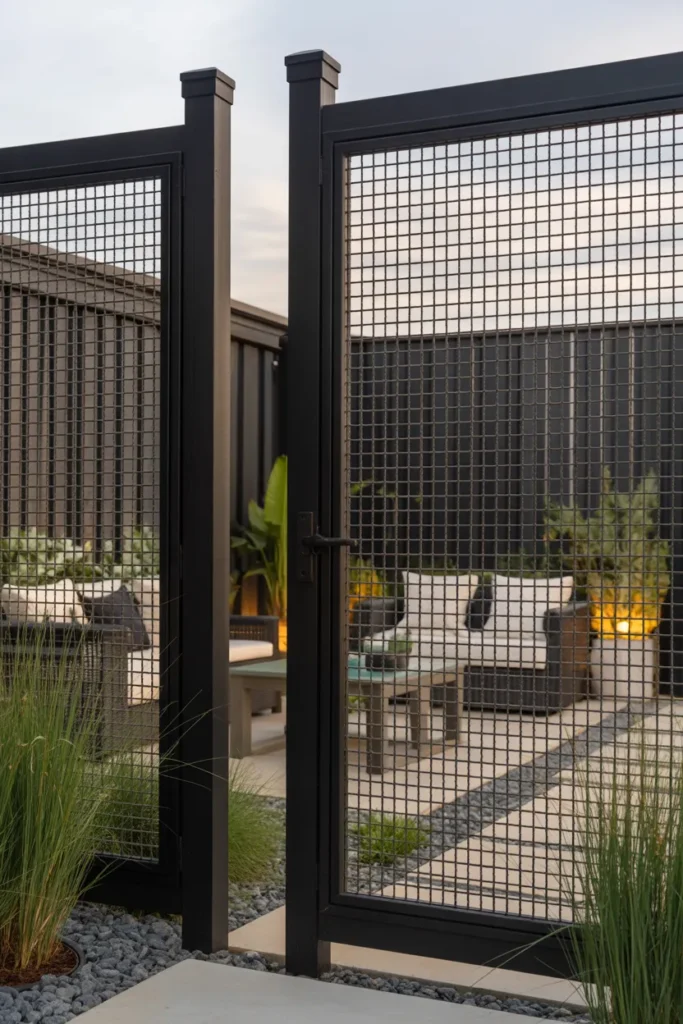
A black cattle panel fence gives the material a cleaner and more modern look. The dark finish helps the fence visually recede, especially when placed behind plants. It also pairs well with modern homes, black exterior trim, concrete, gravel, and minimalist landscaping.
This is a good option when you like the openness of cattle panels but want a more polished appearance.
Tip: Balance black fencing with greenery, warm lighting, and lighter ground materials. This keeps the design from feeling too harsh or heavy, especially in smaller yards or patios.
13. Cattle Panel Fence for Farmhouse Yard
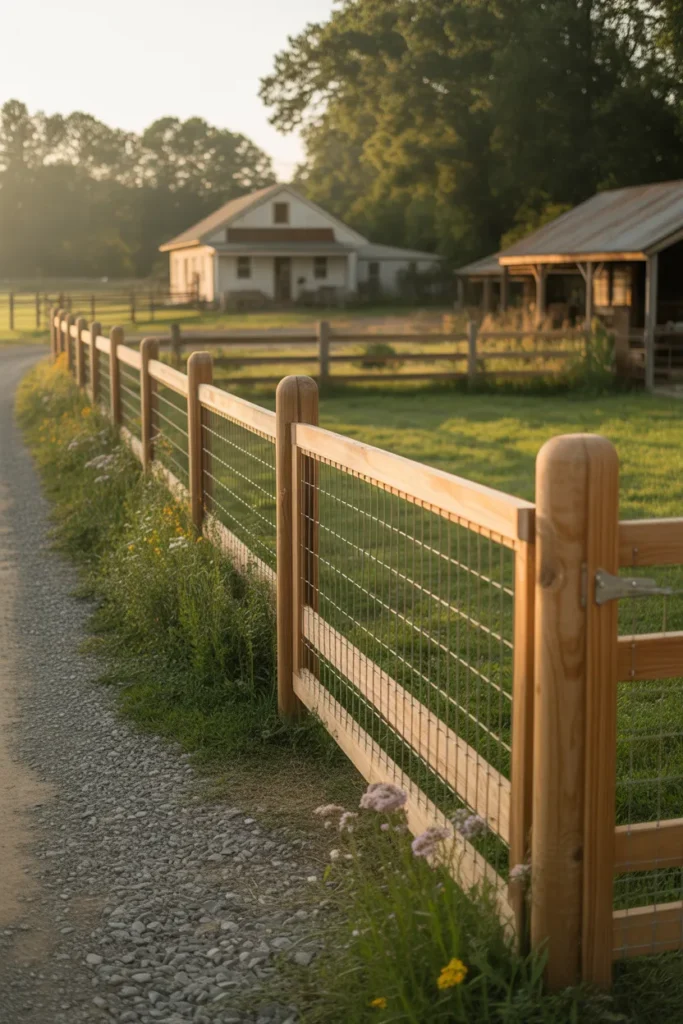
A cattle panel fence fits naturally in a farmhouse yard because it feels practical, open, and honest. It can border a garden, driveway, lawn, pasture edge, or front yard without blocking the view of the home or landscape.
Wood posts, wildflowers, gravel paths, and simple gates help the fence feel connected to the farmhouse setting.
Tip: Keep the design simple and useful. Farmhouse fencing should look like it belongs to the property, not like a decorative prop. Repeat materials already used around the home, such as wood, gravel, or natural planting.
14. Cattle Panel Fence with Metal Posts
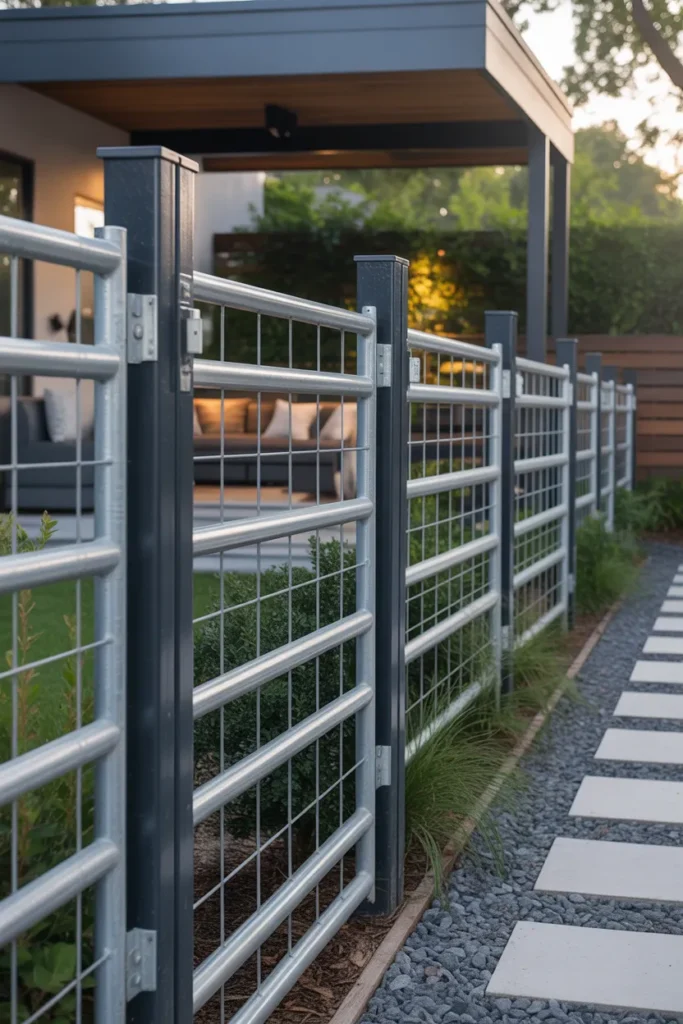
A cattle panel fence with metal posts is a strong and practical option. Metal posts can be durable, slim, and clean-looking, making them useful for gardens, dog yards, long fence runs, and modern landscapes.
Black posts create a contemporary look, while galvanized posts feel more utilitarian and farm-inspired. Both can work depending on the overall style.
Tip: Pay close attention to how the panels attach to the posts. Secure, evenly placed fasteners improve both strength and appearance. If the fence will contain pets or protect a garden, the attachment points matter as much as the panels themselves.
15. Cattle Panel Fence with Stone Path
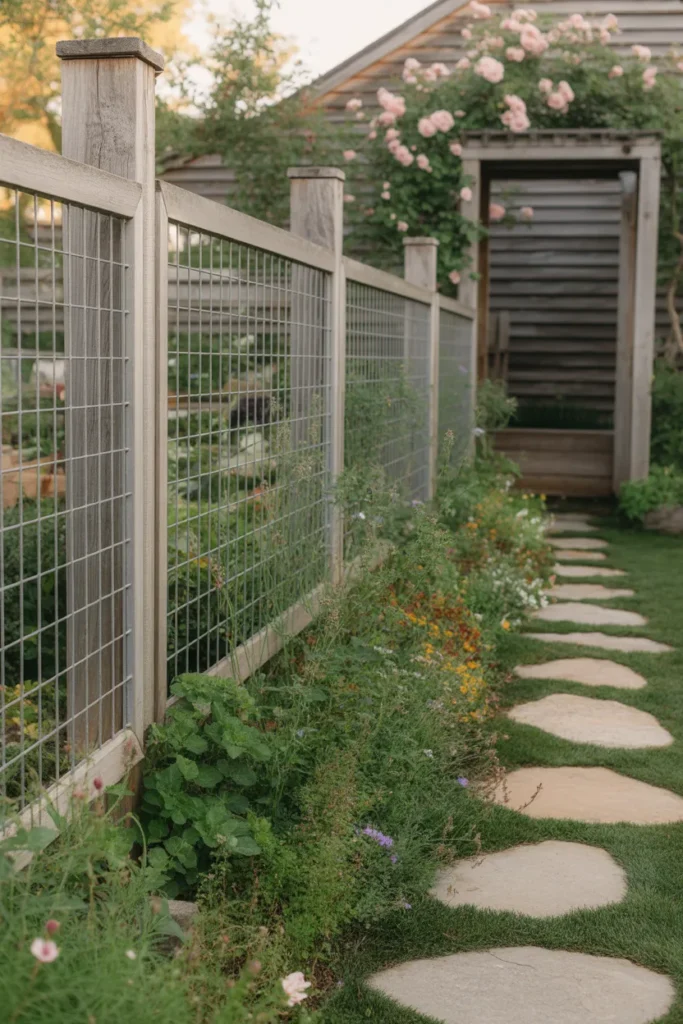
A cattle panel fence with a stone path creates a charming and practical garden route. The fence defines the garden edge, while the path guides movement through the space. This combination works well in cottage gardens, vegetable gardens, side yards, and backyard walkways.
Flowers, herbs, and vegetables growing along the fence make the path feel more inviting. A gate or arbor can make the route feel even more special.
Tip: Keep the path wide enough for comfortable movement and maintenance. Plants may spill over as they grow, so allow extra room if the fence line includes flowers, herbs, or vegetables near the walkway.
16. Cattle Panel Privacy Fence with Plants
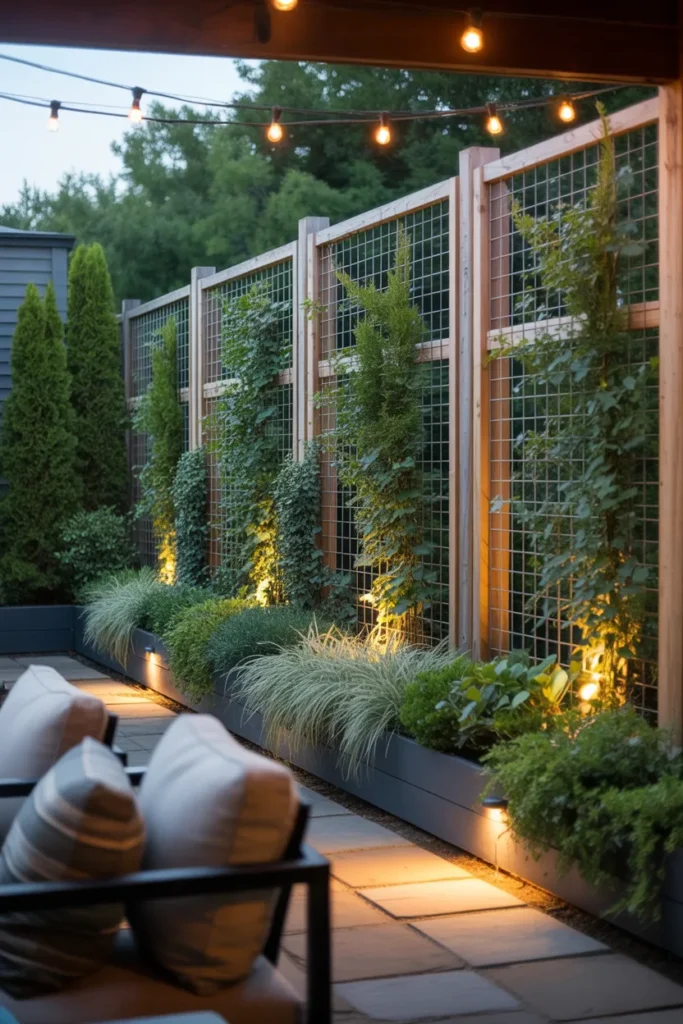
A cattle panel fence does not provide privacy by itself, but it can become a softer privacy solution when paired with plants. Tall grasses, shrubs, climbing vines, planter boxes, and evergreens can create screening while the panel provides structure.
This is a good choice if you want some separation without building a solid privacy wall. It keeps the yard greener, lighter, and more breathable.
Tip: Use a mix of evergreen and seasonal plants. Evergreen shrubs provide year-round screening, while flowers, vines, and grasses add seasonal beauty. This layered approach keeps the fence line useful and attractive through more of the year.
Conclusion
Cattle panel fences are useful because they offer strength, openness, and flexibility. They can protect gardens, frame patios, support climbing plants, create dog-friendly boundaries, define farmhouse yards, and organize raised bed layouts without making the outdoor space feel closed off. Their simple grid design works in rustic, modern, farmhouse, and practical garden settings depending on how the panels are framed and styled.
The best cattle panel fence idea depends on what the space needs most. A vegetable garden needs access, sunlight, and protection. A dog-friendly yard needs secure construction. A privacy fence needs layered planting. A modern yard needs clean alignment and simple materials. A farmhouse yard needs natural texture and practical charm. When the purpose, materials, planting, gate design, and layout all work together, a cattle panel fence can become one of the most valuable and attractive features in the yard.