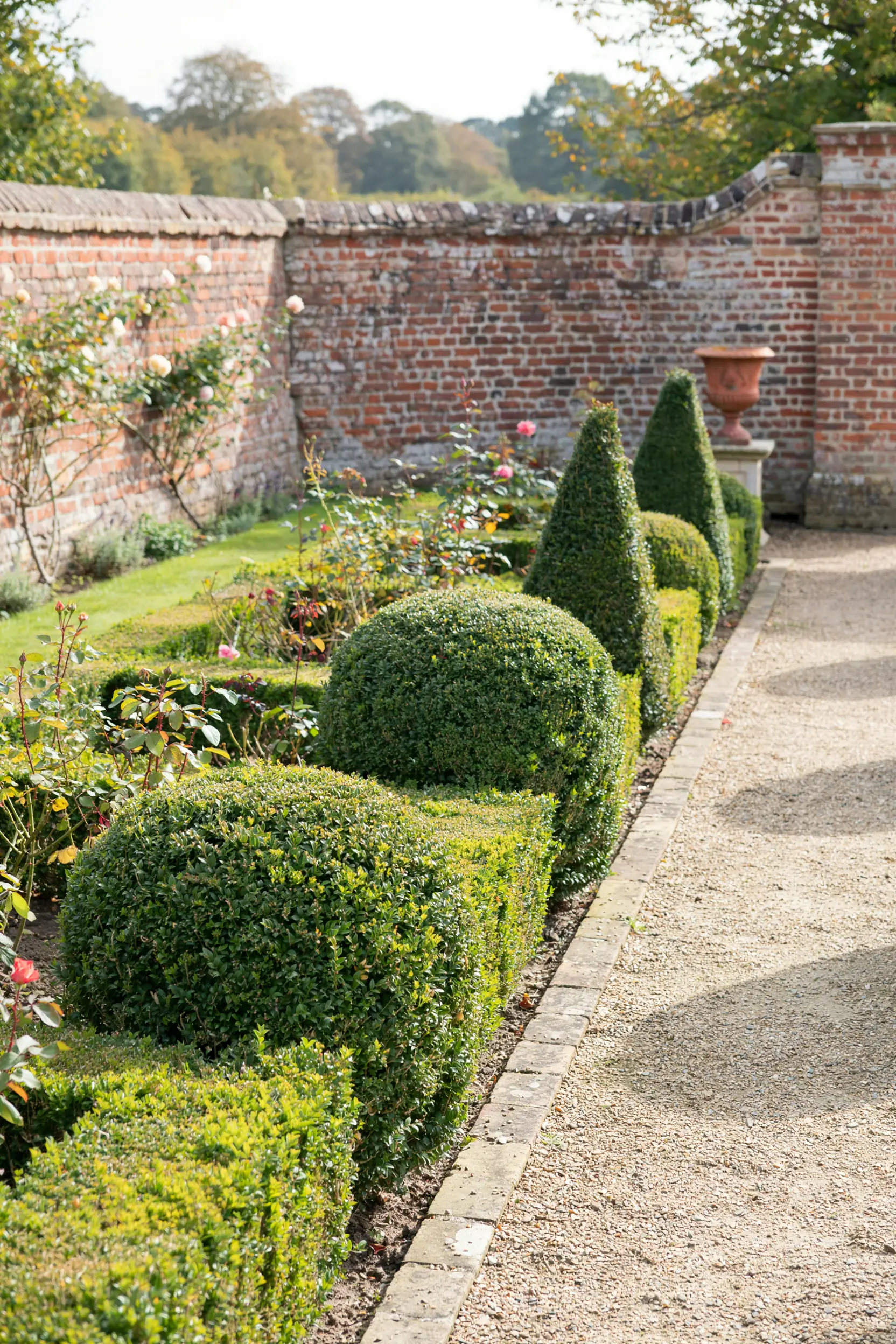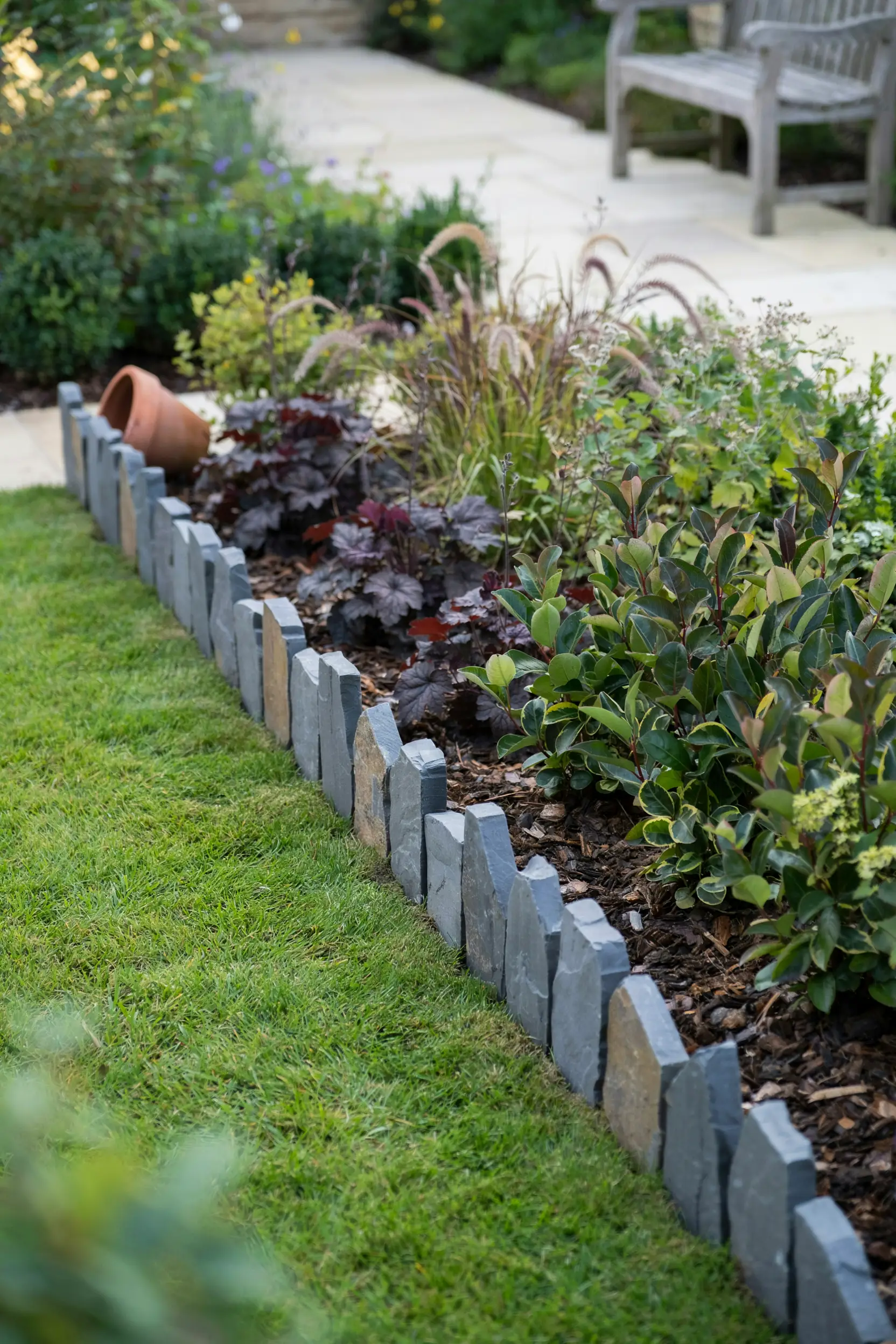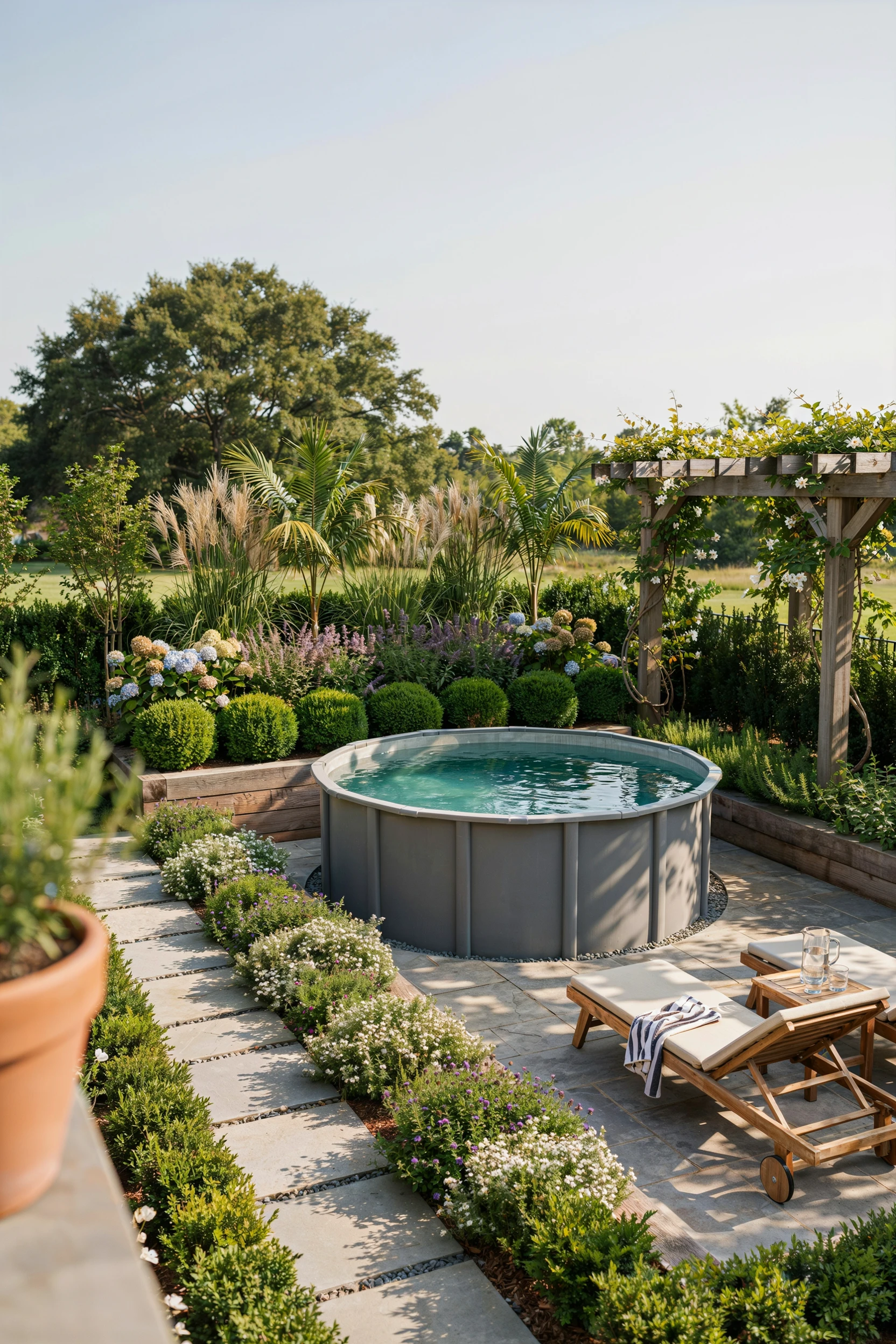
Gravel is one of the most consistently underestimated and most consistently rewarding garden materials available to anyone who wants to create an outdoor space of genuine natural beauty with the minimum possible ongoing maintenance. It is available everywhere, affordable at every budget, applicable in almost every climate and soil condition, and capable of creating garden effects that range from the profound meditative calm of a Japanese raked garden to the romantic sensory abundance of a lavender-bordered cottage path, from the clean contemporary precision of a modern minimalist garden to the dramatic geological character of a boulder landscape.
Beyond its extraordinary aesthetic versatility, gravel is the most practically intelligent garden ground cover material available. It suppresses weeds without chemicals when correctly installed over landscape fabric. It improves drainage in heavy clay soils and prevents waterlogging around plant root zones. It retains soil moisture during dry periods by reducing surface evaporation. It reflects heat in cooler climates, warming the soil around heat-loving Mediterranean plants. It requires no mowing, no edging, no seasonal replacement, and no annual maintenance beyond an occasional rake or top dressing. It is, in every practical sense, the garden material that works hardest with the least intervention.
The aesthetic range of what gravel can achieve in a garden is genuinely extraordinary. Fine pale golden gravel creates warm Mediterranean sun-trap borders of fragrant lavender and rosemary. Dark charcoal gravel creates clean contemporary garden compositions of architectural precision and modern design confidence. Fine white raked gravel creates Zen garden spaces of profound meditative calm. Rounded river gravel creates naturalistic dry river bed landscapes of geological drama. Fine golden path gravel creates romantic cottage garden walkways of complete sensory immersion. The material is consistent but the gardens it creates are as varied as the people who design them.
These 16 gravel garden ideas cover every garden style, every outdoor space type, every design philosophy, and every practical application of gravel in the domestic garden. Whether your garden is a small urban courtyard or a generous rural landscape, whether your aesthetic is rigidly contemporary or wildly naturalistic, whether your primary motivation is beauty or practicality or both simultaneously, there is a gravel garden idea here that will transform your outdoor space in exactly the way it most needs to be transformed.
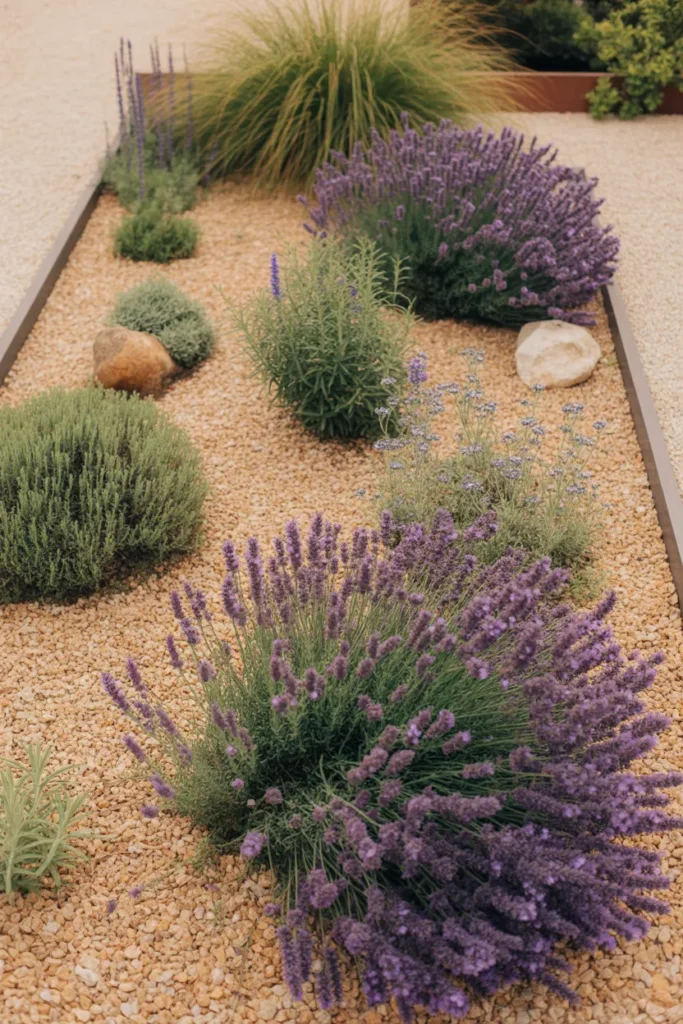
1. Gravel and Lavender Garden Border
A gravel and lavender garden border is the most sensory-rich and the most naturally beautiful gravel garden combination available in the domestic garden, because the pairing of fine gravel mulch with fragrant lavender planting creates a border that engages not just the eyes but the nose, the ears in the sound of bees working the flowers, and even the fingertips in the soft texture of the lavender spike against the skin. A gravel and lavender border is a complete sensory experience compressed into a garden feature, and the quality of that experience is available every day from late spring through early autumn at no cost and with the minimum possible maintenance.
Tip: Apply the gravel mulch to the lavender border at a depth of five to seven centimeters, ensuring the gravel is pulled slightly away from the lavender plant stems rather than piled against them. Gravel mulch that sits directly against lavender stems can trap moisture at the stem base in wet conditions, creating the wet collar conditions that lavender most dislikes and that most frequently cause the stem base rot that kills otherwise healthy lavender plants. The five centimeter clear zone around each stem base, combined with the free-draining quality of the gravel mulch itself, creates the perfectly dry-collared and freely-draining growing conditions in which lavender reliably thrives for the longest possible time.
2. Japanese Gravel Garden Design
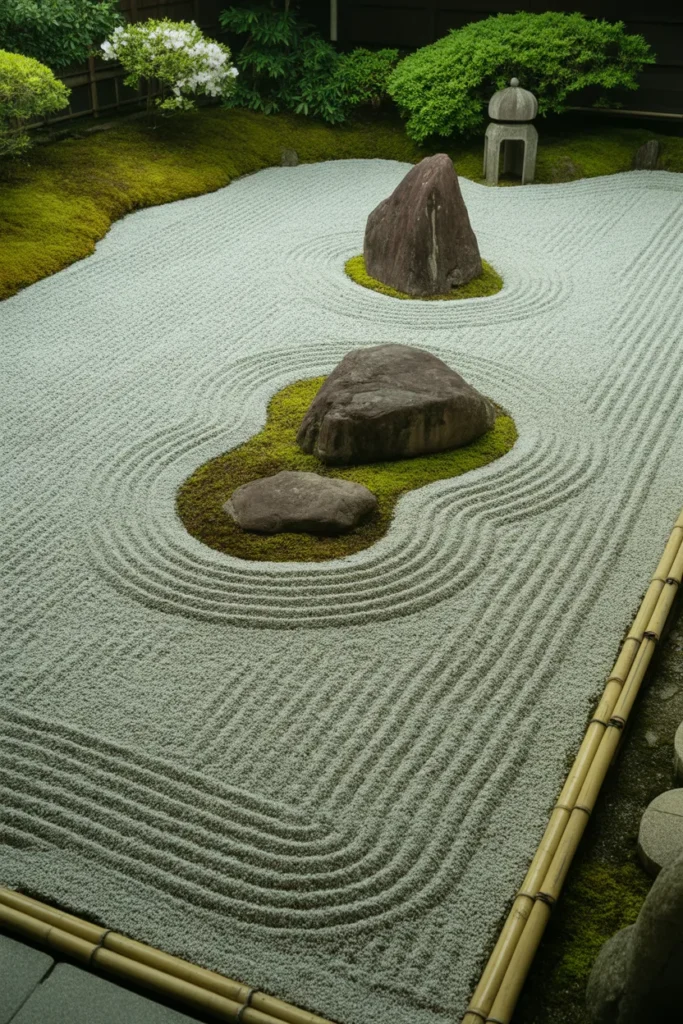
A Japanese gravel garden is the garden feature for people who understand that stillness is one of the most genuinely valuable and most consistently undersupplied qualities available in domestic outdoor spaces, and who are willing to create and maintain the material discipline and the organizational precision that genuine garden stillness requires. The Japanese gravel garden demands nothing from the plants, because there are essentially none, and everything from the gardener’s commitment to regular raking, precise boulder placement, and the maintenance of a clean, pattern-perfect gravel surface that communicates meditative intention rather than neglect.
Tip: Rake the Japanese gravel garden at the same time each day, ideally in the early morning before the day begins, as a meditative practice rather than as a garden maintenance chore. The raking of a Zen garden is traditionally understood as a meditative act in itself, not merely a surface maintenance task, and approaching it with that intention transforms the experience of maintaining the garden from an obligation into a daily moment of genuine quiet and genuine focus. A Zen garden whose raking is experienced as meditation is a garden that is genuinely used for the purpose it was designed to serve, which is always the most beautiful outcome any garden design can achieve.
3. Gravel Front Yard Landscape
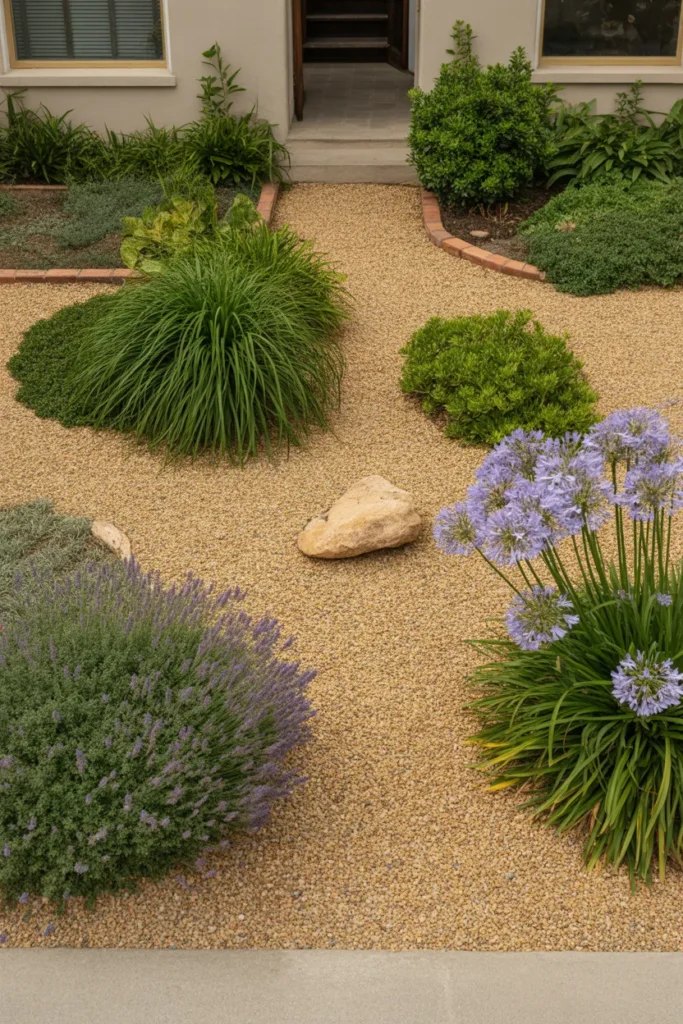
A gravel front yard landscape that replaces conventional lawn is one of the most ecologically responsible and one of the most curb-appeal-enhancing decisions available in residential landscaping, and the people who make it consistently report that the improvement to the quality of their daily relationship with their home’s exterior, the beauty of the front garden visible from the house, the elimination of weekly mowing, the reduction in water use, and the visual improvement to the neighborhood, far exceeds the relatively modest disruption and cost of the initial installation. A gravel front yard is an investment that pays daily dividends in beauty, ecology, and time.
Tip: Consult with the local planning authority before removing a conventional front lawn and replacing it with gravel in areas subject to permitted development restrictions or conservation area controls. Many residential areas have specific planning requirements about the proportion of permeable to impermeable surface in front gardens following flooding-related legislation introduced in the UK and in some US municipalities, and gravel itself is generally permeable but specific gravel depths and base preparation methods determine whether a given installation meets the permeability requirements. Understanding the local regulatory framework before beginning the installation prevents the need for costly corrections after completion.
Also Explore
15 Cucumber Trellis Ideas That Maximize Your Garden Space
14 Flower Bed Ideas That Turn Every Garden Into Something Beautiful
16 Fire Pit Ideas That Make Your Backyard the Best Seat in the House
18 4th of July Outdoor Decoration Ideas That Wow Every Guest
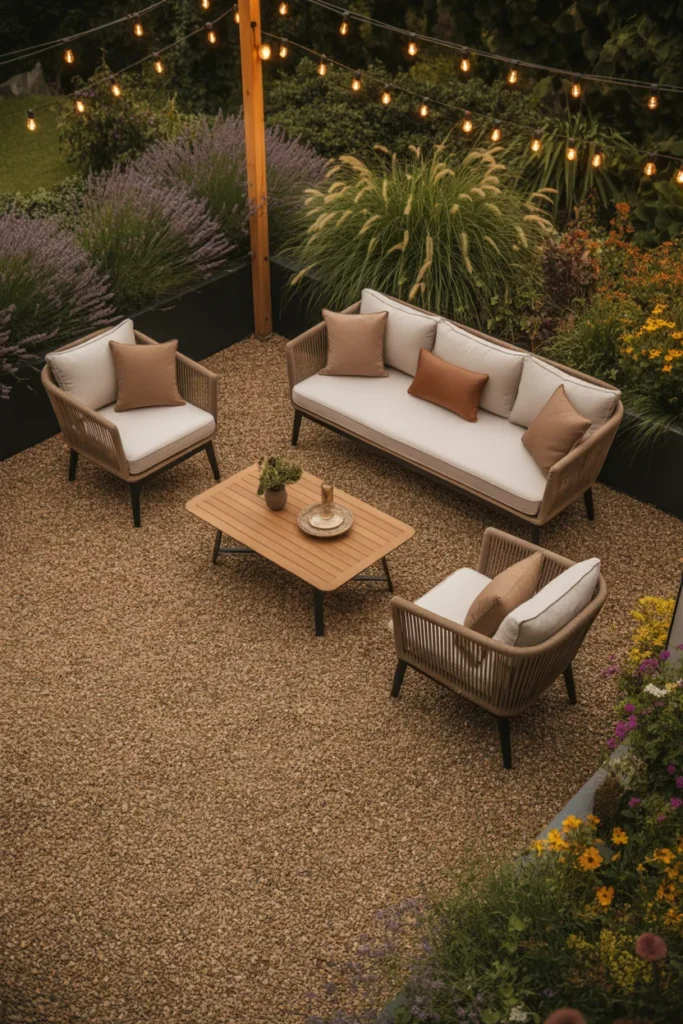
4. Gravel Patio with Seating Area
A gravel patio seating area is the outdoor living investment that creates the most relaxed, the most naturally beautiful, and the most sensory-satisfying outdoor floor surface for informal garden living. The sound of gravel underfoot, the visual warmth of the fine stone surface in afternoon sunlight, the natural drainage that means the gravel patio is usable within hours of the heaviest rain, and the organic visual warmth that gravel creates around outdoor furniture all combine to make the gravel patio the outdoor floor surface that most completely puts the people who use it in a state of genuine outdoor relaxation rather than simply outdoor sitting.
Tip: Choose rounded river gravel of ten to fourteen millimeters diameter for a gravel patio seating area rather than crushed or angular gravel. Rounded river gravel is considerably more comfortable underfoot when walking barefoot across the patio in summer, does not compact as aggressively as crushed angular gravel and therefore maintains its free-draining quality for longer, and has a natural smooth surface that reflects afternoon sunlight with a warm and gentle luminosity that angular crushed gravel does not produce. For a summer barefoot outdoor living space, the rounded gravel is the only genuinely comfortable choice.
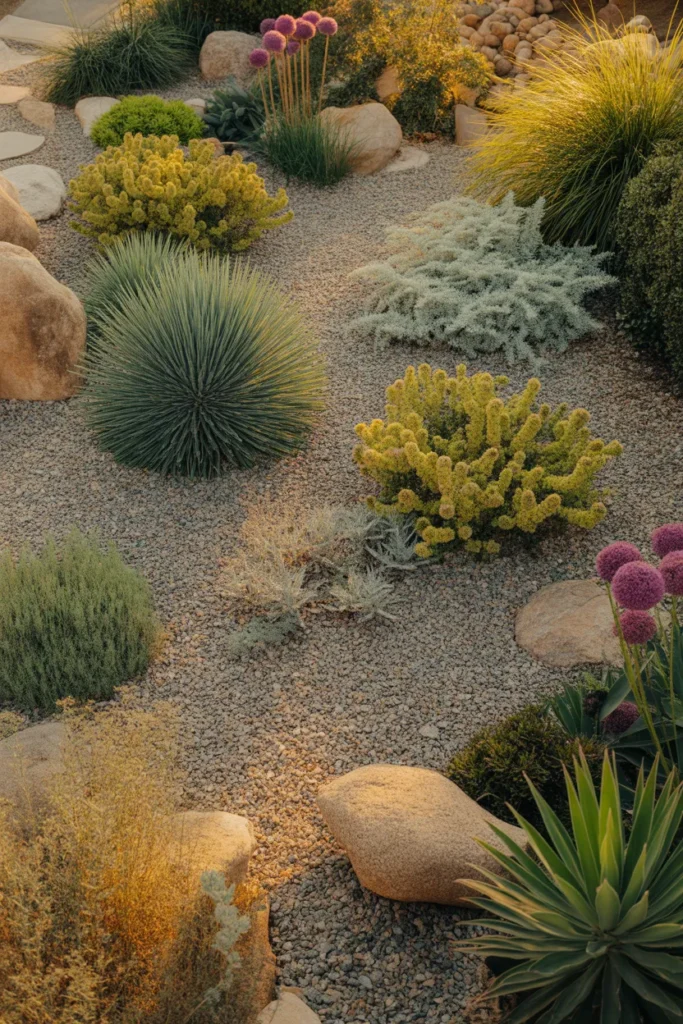
5. Dry Garden Gravel Planting
A dry garden gravel planting is the garden approach that most honestly and most directly responds to the specific climatic conditions of the site it occupies rather than fighting those conditions with irrigation, feeding, and high-maintenance plants that would prefer to be growing somewhere else. The dry garden planted with genuine drought-tolerant species through a fine gravel mulch creates a garden that gets better in the dry hot conditions that challenge conventional planting, producing more intense flower colors, stronger fragrance, and more architectural plant forms in full sun and free-draining conditions than the same plants would produce if given more water and more shelter.
Tip: Plant dry garden species in the autumn rather than in spring or summer so they establish their root systems during the cool wet months before their first hot dry summer. Dry garden plants planted in autumn have six to eight months of cool and relatively moist growing conditions in which to develop the deep root systems that enable their drought tolerance in the following summer. The same plants installed in spring or summer must simultaneously establish roots and cope with summer heat and drought before their root systems are developed enough to handle those conditions comfortably, and the establishment losses are significantly higher. Autumn planting of dry garden species through gravel consistently produces the strongest establishment and the best first-summer performance.
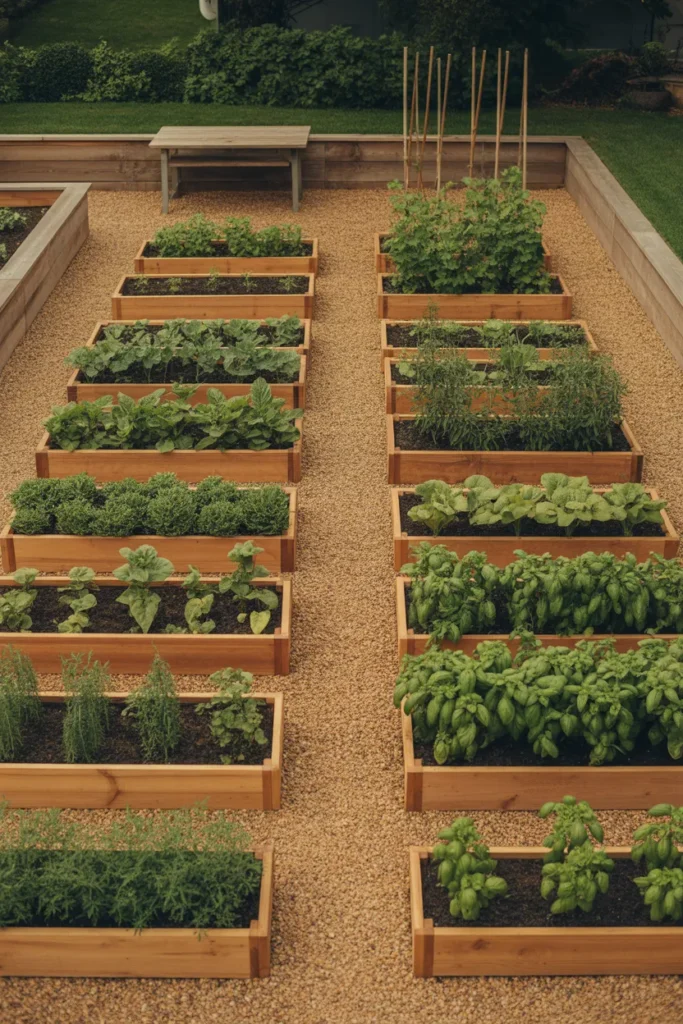
6. Gravel and Raised Bed Vegetable Garden
A gravel-pathed raised bed kitchen garden is the productive garden arrangement that most successfully bridges the gap between the practical demands of food growing and the aesthetic qualities of a genuinely beautiful garden. The gravel paths between the raised beds create a clean, mud-free, all-weather working surface that makes harvesting and tending the crops a genuinely pleasant daily activity rather than a muddy necessity, and the consistent visual quality of the gravel paths between the beds creates a productive garden of sufficient visual beauty to make it a destination for enjoyment rather than purely a working area to be visited only when harvest requires it.
Tip: Install a simple boot scraper or brush at the entry point to the gravel kitchen garden area so garden soil carried on boots from adjacent garden areas does not accumulate in the gravel paths between beds. Soil contamination within the gravel paths is the primary cause of weed establishment in an otherwise well-prepared gravel kitchen garden, because the soil particles carried in on boots or tools can contain viable weed seeds that establish readily in the gravel if not periodically removed. A consistent boot-scraping habit at the garden entry point, combined with an annual rake-and-top-dressing of the gravel paths, maintains the weed-free quality of the kitchen garden paths indefinitely.
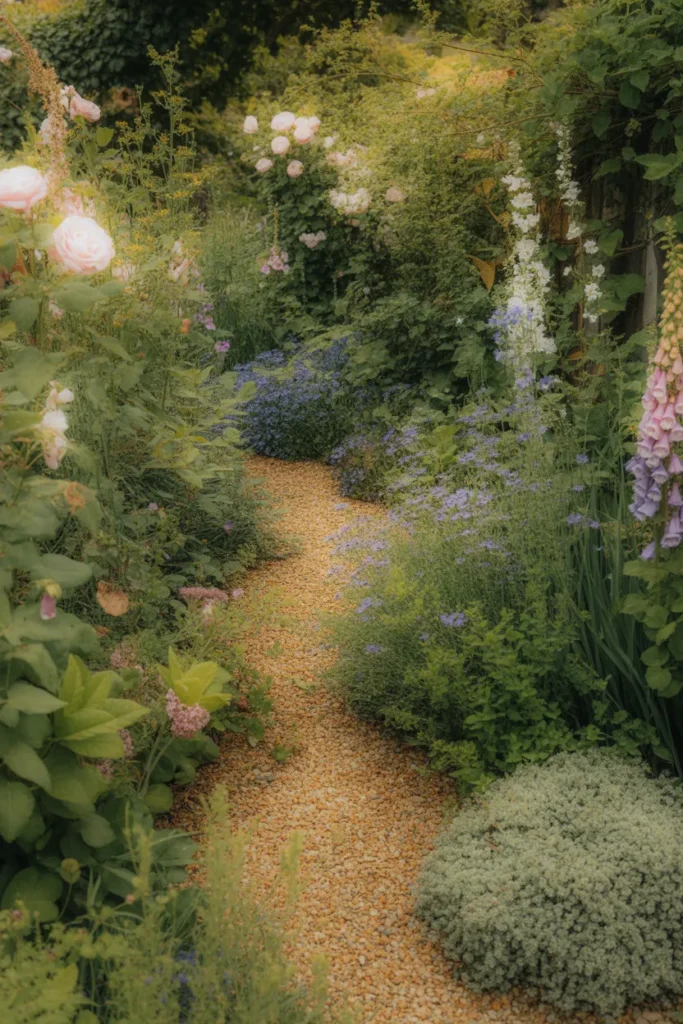
7. Gravel Path Through Cottage Garden
A fine gravel path winding through a cottage garden is the most naturally appropriate and the most romantically beautiful path surface available for the most abundantly planted garden style in the domestic repertoire. The organic warmth of fine golden gravel, the gentle crunch underfoot, the way the path surface catches warm afternoon light between the overhanging cottage border plants, and the material connection between the mineral ground surface and the organic botanical abundance above it creates a cottage garden path of complete sensory richness and genuine romantic beauty that hard paving materials, however beautiful in their own contexts, simply cannot replicate in a cottage garden setting.
Tip: Rake the gravel cottage garden path each spring to redistribute gravel that has migrated into the surrounding border planting during the winter and to remove any weed seedlings that have established in the path during the previous season. The annual spring rake, performed before the cottage border plants begin their vigorous spring growth, takes approximately thirty minutes per ten meters of path and produces a fresh, clean path surface that looks beautifully new at the beginning of each garden season. This single annual maintenance task is all that a correctly installed gravel cottage path requires beyond occasional top dressing every two to three years.
8. Gravel Garden with Ornamental Grasses
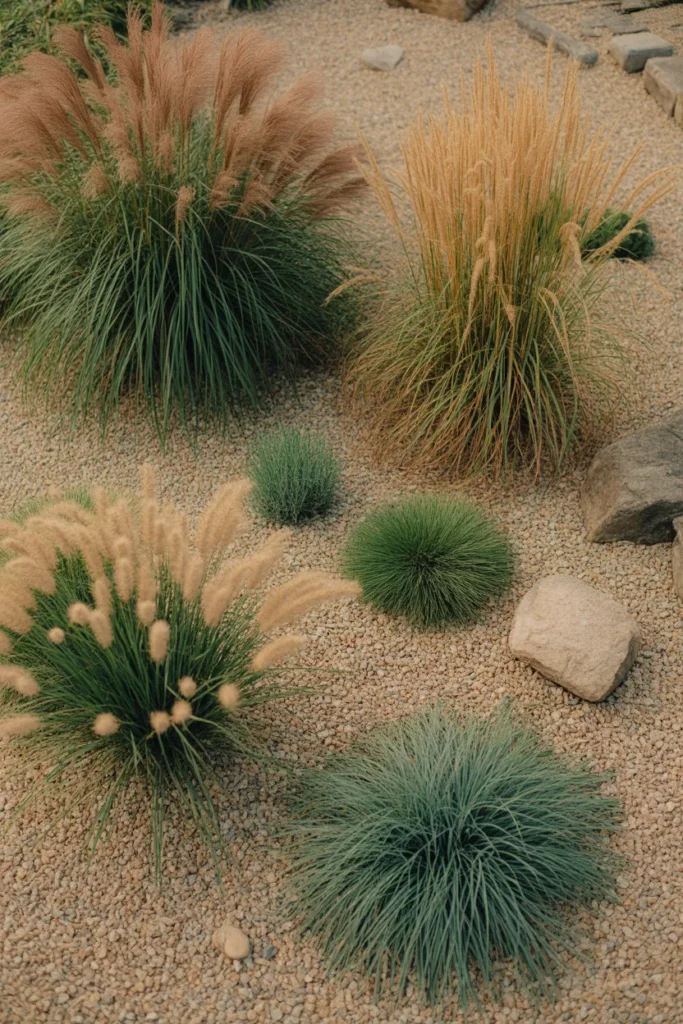
A gravel garden with ornamental grasses is the contemporary naturalistic garden combination that demonstrates most clearly how a mineral material and a botanical material can achieve a quality of mutual enhancement through thoughtful combination that neither achieves independently. The smooth horizontal gravel ground plane makes every upright grass form more clearly legible and more beautifully individual as a botanical sculpture. The varied grass forms, their movement in the breeze, their dramatic seasonal change from summer green to autumn bronze to winter seedhead gold, and their organic unpredictability within the regular gravel surface, make the gravel plane more interesting and more alive than it is without the planting above it.
Tip: Choose ornamental grass varieties that are specifically suited to the drainage and moisture characteristics of the gravel garden site rather than simply selecting varieties for their visual qualities alone. Free-draining gravel mulch creates a drier root environment than the same plants would experience in conventional garden soil, and ornamental grass varieties with genuine drought tolerance, miscanthus, stipa, and festuca species, perform far better in the gravel garden than varieties that prefer consistently moist growing conditions, carex and many pennisetum species. Matching the grass variety to the specific gravel garden site conditions rather than selecting on appearance alone produces a gravel grass garden of better long-term quality and greater reliability.
9. Gravel and Boulder Landscape
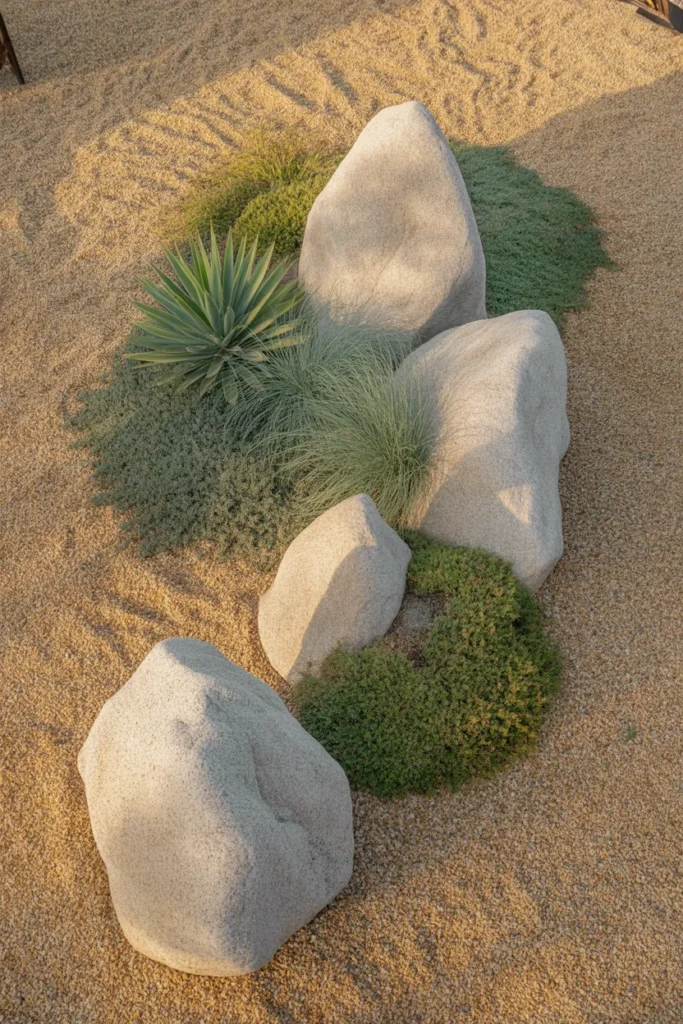
A gravel and boulder landscape is the garden feature that most completely and most honestly references the geological processes that have shaped the natural landscape over millions of years, and that quality of geological reference gives the garden a sense of temporal depth and material authenticity that no other domestic garden feature quite achieves. A garden with genuinely large, genuinely heavy boulders emerging from a consistent fine gravel ground is a garden that feels as if it has always been there, as if the garden was built around the geology rather than the geology being introduced into the garden, and that apparent permanence is one of the most valuable qualities any outdoor space can have.
Tip: Partially bury each boulder in the gravel and compacted base beneath it, to a depth of approximately fifteen to twenty percent of the boulder’s total height, so that each boulder appears to emerge from the ground rather than to rest on top of it. A boulder sitting on the surface of a gravel garden looks placed. A boulder that appears to emerge from the gravel looks geological. The difference between placed and geological is the entire aesthetic distinction between a gravel garden that has boulders as a decorating feature and one that has boulders as genuine landscape elements of apparent natural origin, and partial burial is the single installation detail that creates this distinction most effectively.
10. Gravel Courtyard Garden
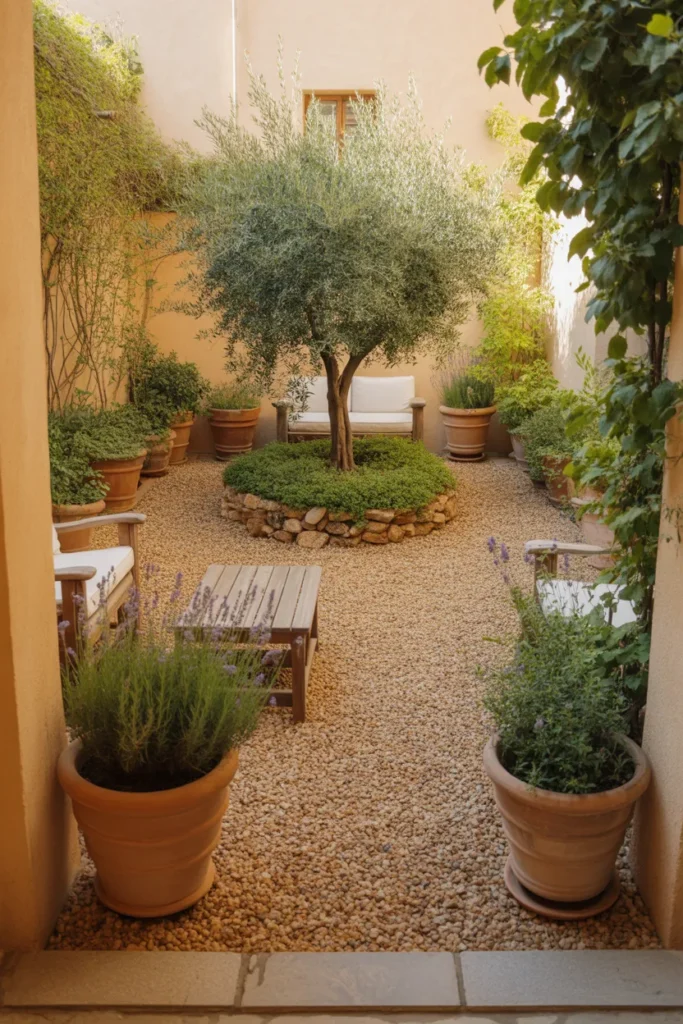
A gravel courtyard garden is the most intimate and the most completely enclosed gravel garden space available, and it achieves its extraordinary quality through the specific combination of complete enclosure and consistent natural material ground surface that creates the atmosphere of an outdoor room of genuine organic warmth. The courtyard whose floor is entirely gravel from wall to wall, whose walls are clothed in climbing jasmine, and whose center holds a specimen plant or gentle water feature, is simply one of the most beautiful and the most restorative outdoor spaces available in domestic garden design, regardless of its size.
Tip: Install a simple perimeter channel drainage system around the base of the enclosing walls of a gravel courtyard, flowing to a concealed soakaway or drain, before laying the gravel surface. Enclosed courtyard spaces can accumulate significantly more rainfall runoff than open garden areas because the surrounding walls prevent lateral water dispersal and concentrate runoff toward the courtyard center. A perimeter drainage channel intercepts this concentrated runoff before it can cause gravel saturation, erosion toward the courtyard center, or moisture accumulation at the base of the enclosing walls that can damage wall structures and climbing plant roots over time.
11. Mediterranean Gravel Garden
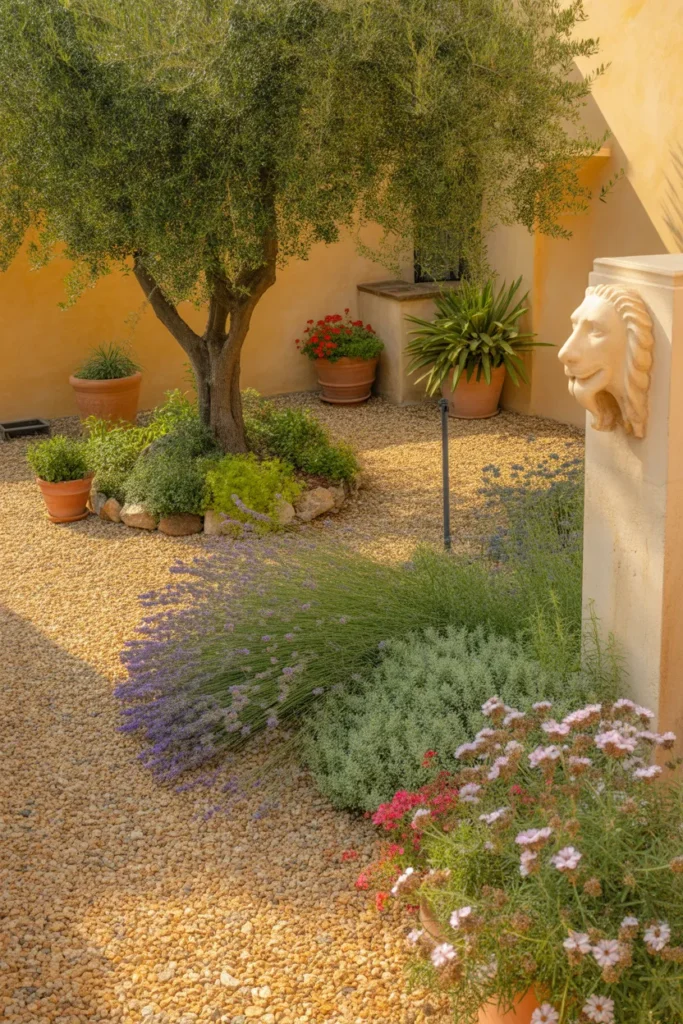
A Mediterranean gravel garden is the garden aesthetic that most completely embodies the principle that the most beautiful gardens are always the ones that are honestly designed for the specific climate in which they grow rather than fighting that climate to achieve a borrowed aesthetic. The Mediterranean gravel garden thrives in conditions, hot sun, free-draining soil, low rainfall, and high temperatures, that would destroy conventional garden planting, and it does so by celebrating those conditions through plants and materials that are genuinely native or adapted to them. The result is a garden of genuine ecological honesty and extraordinary sensory beauty.
Tip: Include a simple recirculating water feature within the Mediterranean gravel garden, even a very small one, for the specific atmospheric quality of the sound of running water in an otherwise hot and dry garden setting. The sound of water in a Mediterranean gravel garden is not simply pleasant. It is the defining sensory element that transforms a beautifully planted warm dry garden into a complete Mediterranean outdoor experience, because the combination of fragrant aromatic plants, warm golden gravel, strong sunlight, and the gentle sound of water is precisely the sensory combination that characterizes the most beautiful Mediterranean garden spaces. The water feature investment is disproportionately small relative to the atmospheric improvement it creates.
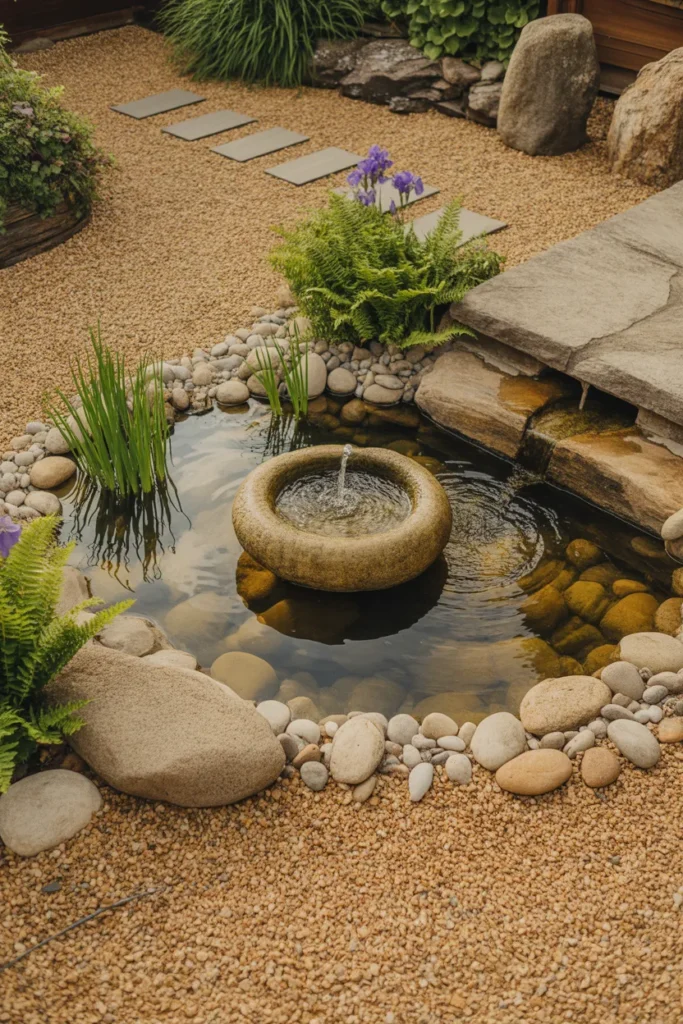
12. Gravel Garden with Water Feature
A gravel garden with a water feature is the outdoor space that most completely addresses the human need for sensory outdoor experience by providing both the visual calm of a consistent natural mineral ground surface and the auditory pleasure of gently moving water simultaneously. The combination of gravel and water is the garden equivalent of a riverside landscape, and its power comes from the same fundamental attraction that draws people to natural water edges universally, the combination of mineral solidity and fluid movement that creates the most naturally calming and the most genuinely restorative outdoor environment available.
Tip: Choose a water feature with a recirculating pump that produces a gentle gentle rather than dramatic flow of water for a gravel garden application. The most beautiful and the most calming water sound in a garden is the gentle sound of water trickling or bubbling, the kind of sound that one can hear but that does not overpower conversation or compete with birdsong. A powerful or dramatic water feature sound in a gravel garden creates stimulation rather than calm, and calm is always the quality that a gravel and water garden is most correctly designed to provide. The pump specification, measured in liters per hour, directly determines the sound character of the water feature, and a lower flow rate consistently produces the most beautiful and most restful water garden atmosphere.
Also Explore
16 Patio Decor Ideas That Turn Any Outdoor Space Into a Retreat
13 Pebble Stone Landscaping Ideas That Turn Every Garden Into Something Special
14 Japanese Garden Ideas That Bring Instant Calm to Any Outdoor Space
13 Mini Japanese Garden Ideas That Bring Calm to Any Small Space
16 4th of July Pool Party Ideas That Make Every Backyard Unforgettable
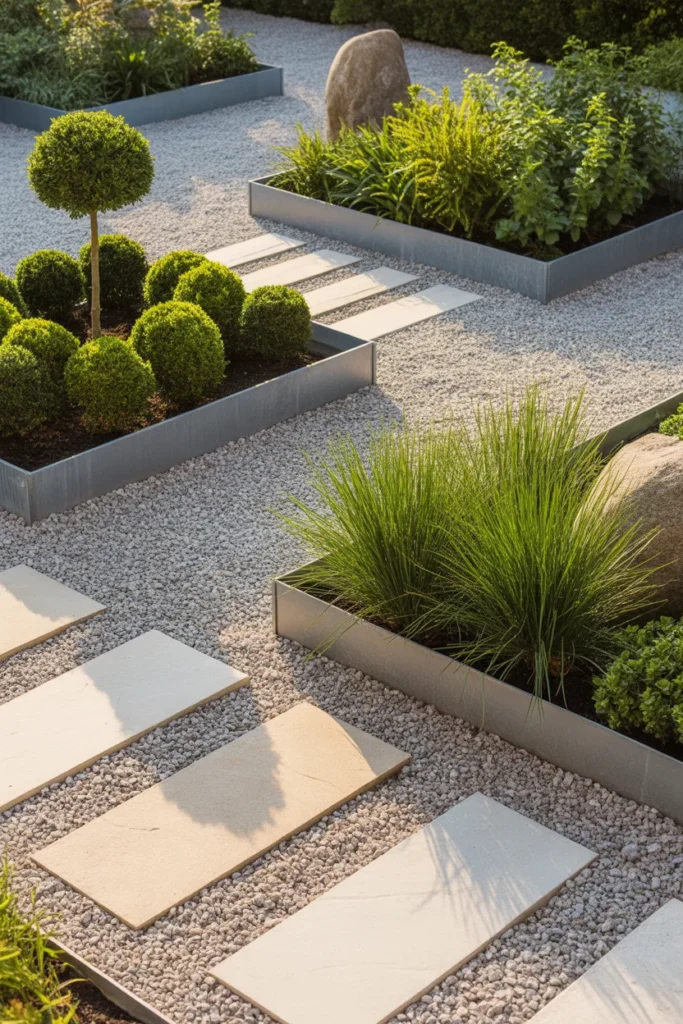
13. Modern Gravel Garden Design
A modern gravel garden is the outdoor design achievement that requires the most design discipline and the most genuine commitment to restraint, and it produces the most visually sophisticated and the most architecturally considered outdoor space available from a gravel application. The modern gravel garden succeeds through precision, through the clean definition of every material edge, through the strict limitation of plant species, through the careful placement of each object, and through the complete removal of everything that does not contribute actively to the design composition. It is the gravel garden that proves subtraction is always the most sophisticated design act.
Tip: Commit to a single gravel tone and a single gravel size throughout the complete modern gravel garden without exception. The visual clarity and the design authority of a modern gravel garden depend entirely on the consistency of the gravel ground surface as a clean and uninterrupted mineral plane. Any variation in gravel tone or size within the garden, however small, creates visual inconsistency that disrupts the design’s precision and reduces its visual authority. A single consistent gravel tone and size selected with genuine care for its relationship to the other materials in the design creates a contemporary gravel garden of complete visual discipline and genuine design excellence.
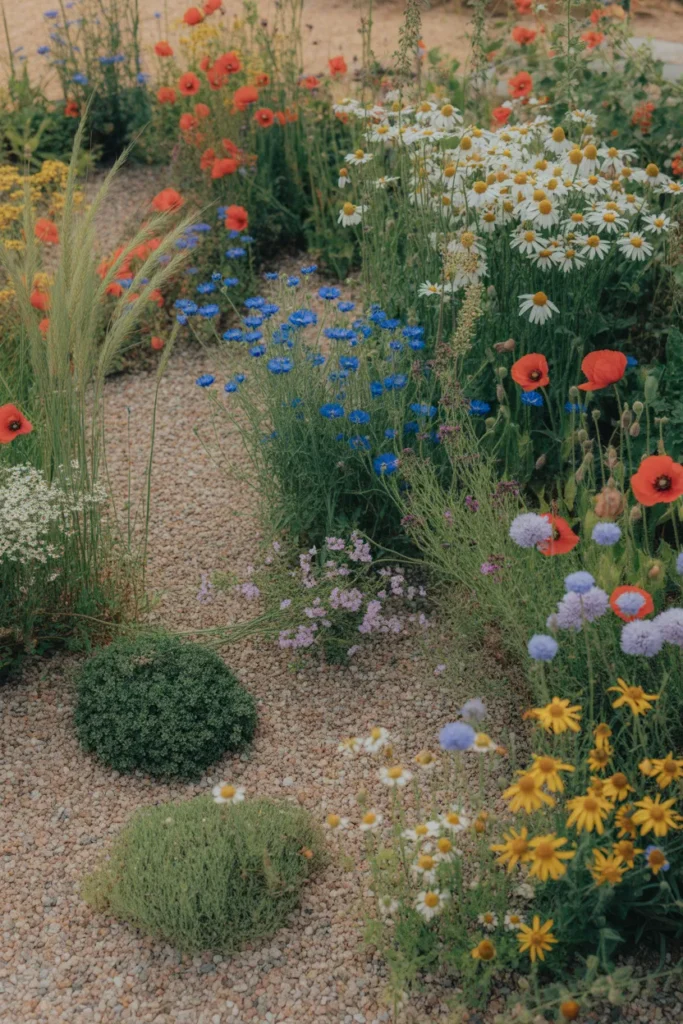
14. Gravel and Wildflower Garden
A gravel and wildflower garden is the outdoor space that most generously combines the interests of the gardener, the wildlife, and the garden itself in a single plant and material combination. The gardener benefits from a naturally self-maintaining and visually joyful display that requires one annual maintenance cut rather than regular intervention. The wildlife benefits from an extraordinary abundance of accessible pollen, nectar, seeds, and habitat that species-rich wildflower planting through gravel consistently provides. And the garden itself benefits from the opportunity to develop its own botanical community over time through natural self-seeding and species succession that gravel mulch specifically facilitates.
Tip: Prepare the wildflower gravel garden site by removing all existing vegetation including roots, cultivating the soil to a fine tilth, applying the gravel mulch layer, and sowing the wildflower seed mix directly onto the gravel surface, pressing the seeds lightly into the gravel rather than covering them. Wildflower seeds germinate most successfully at the soil surface with light rather than in darkness beneath a seed covering, and the gravel mulch provides the clean mineral surface, the temperature stability, and the surface drainage that wildflower seeds need for optimal germination and early establishment. The gravel mulch simultaneously suppresses the competitive weeds that prevent wildflower establishment while providing the ideal germination surface for the wildflower community.
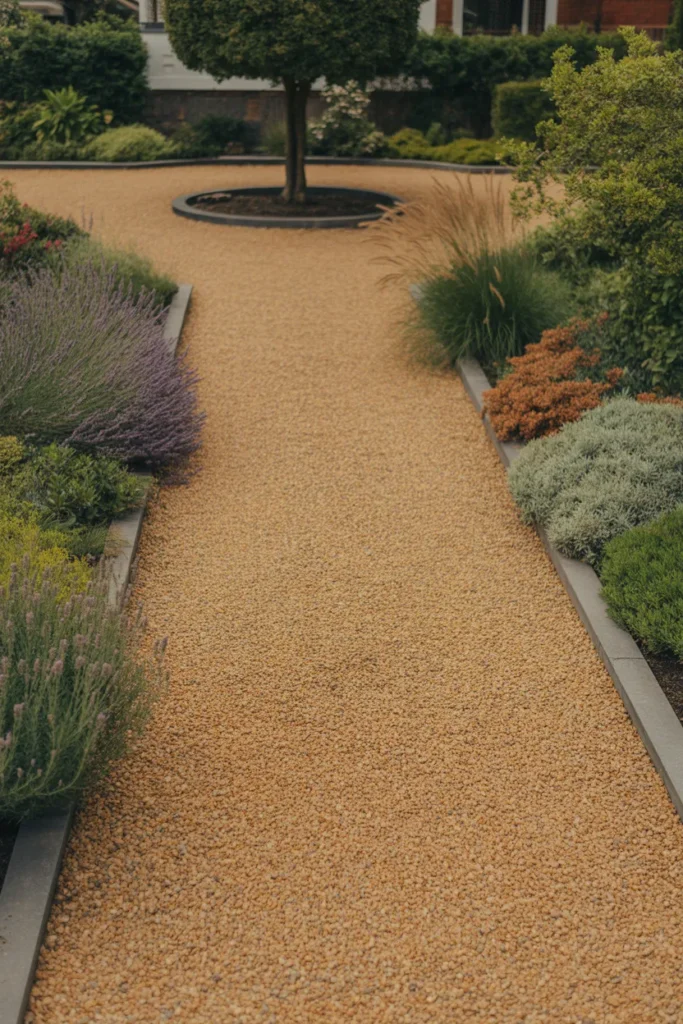
15. Gravel Driveway with Planted Borders
A gravel driveway with planted borders is the residential arrival experience that transforms the daily act of coming home from a functional necessity into a genuinely sensory and genuinely beautiful moment. The specific quality of a well-planted gravel driveway arrival, the sound of the gravel, the fragrance of the lavender border, the visual warmth of the golden gravel surface in afternoon light, and the organic beauty of the planted borders framing the approach, creates an arrival experience that is among the most consistently pleasing domestic sensory experiences available, and it is available twice a day, every day, for as long as the garden is maintained.
Tip: Choose a gravel of fourteen to twenty millimeters diameter for a driveway surface, which is the optimal size range for a driveway that is both stable under vehicle traffic and self-compacting enough to remain level and consistent over time. Gravel finer than fourteen millimeters scatters under vehicle movement and migrates consistently from the driveway surface onto adjacent lawns and borders. Gravel coarser than twenty millimeters is uncomfortable for pedestrians and does not compact under vehicle weight into a stable surface. The fourteen to twenty millimeter range provides the perfect combination of vehicular stability, pedestrian comfort, self-compacting quality, and natural visual warmth.
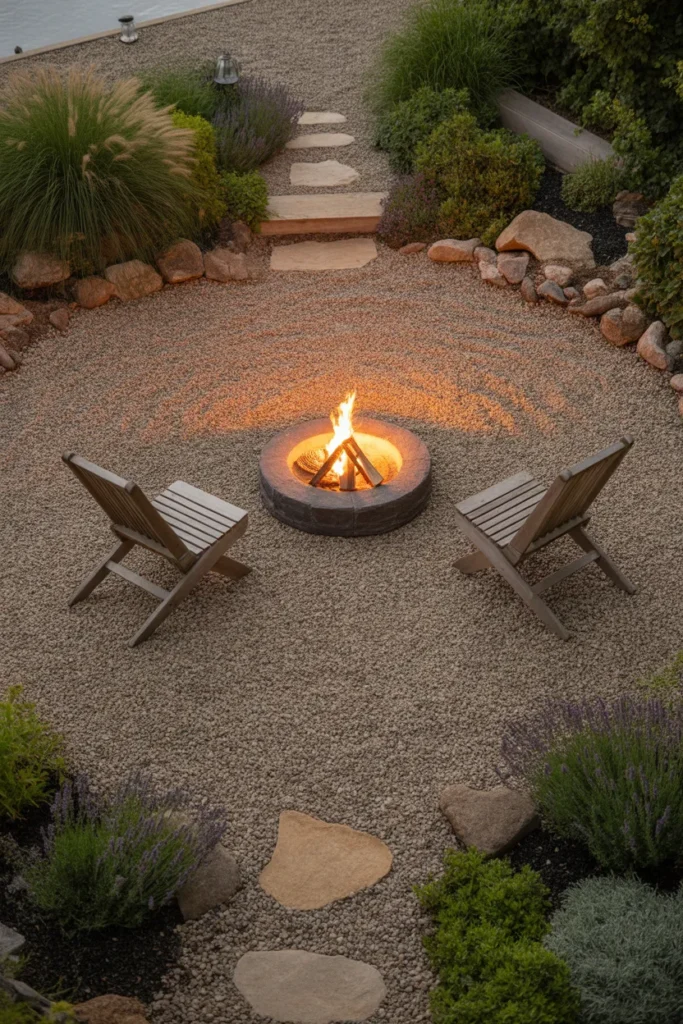
16. Gravel Fire Pit Garden Surround
A gravel fire pit garden surround is the most practically intelligent and the most naturally beautiful outdoor fire pit floor surface available, because fine gravel is non-combustible, free-draining, comfortable underfoot, visually warm in evening firelight, and genuinely safer around an outdoor fire than grass, timber decking, or any other organic surface material that can be ignited by fallen embers. The gravel fire pit surround also manages the unavoidable ground compaction and wear that concentrated foot traffic around an outdoor fire creates, maintaining a consistently clean and visually fresh surface under the heaviest social use.
Tip: Create a small, clearly defined ember zone of fine sand or very fine dry gravel immediately around the fire pit base, approximately fifty centimeters in radius, within the larger gravel surround area. Fine sand or very fine gravel in this immediate fire perimeter provides an even more clearly non-combustible surface for any embers that fall directly from the fire, and the color contrast between the fine sand ember zone and the coarser surrounding gravel creates a subtle visual boundary that naturally keeps children and pets at a safe distance from the fire’s immediate heat without requiring any formal barrier or explicit instruction.
Conclusion
Gravel is the garden material that rewards both the practical gardener and the aesthetic one simultaneously and in equal measure. It works harder than almost any other garden ground cover, suppressing weeds, improving drainage, retaining moisture, and requiring virtually no ongoing maintenance after correct installation. And it looks better than almost any other ground cover material available, creating warm mineral ground planes of genuine natural beauty that change character with every hour of changing light, every season of the year, and every planting that grows above them.
The sixteen ideas in this post cover every scale and every style of gravel garden application, from the intimate meditative calm of a Japanese raked garden to the dramatic geological scale of a boulder landscape, from the productive intelligence of a gravel-pathed raised bed kitchen garden to the romantic sensory abundance of a lavender-bordered cottage path, from the clean contemporary precision of a modern design garden to the ecological generosity of a gravel wildflower meadow. What they all share is the conviction that gravel, chosen with genuine care and installed with genuine preparation, consistently produces outdoor spaces of greater natural beauty, greater practical intelligence, and greater long-term garden satisfaction than the more familiar and more conventionally chosen alternatives it replaces.
Choose the gravel garden idea that best suits your space, your climate, your aesthetic, and your practical needs. Prepare the site properly with good compaction, appropriate landscape fabric, and correct gravel depth. Plant with genuine thought for the specific conditions that gravel creates. And then watch what the garden does with the material you have given it, which is always, in a gravel garden of any kind, something genuinely beautiful.